OVERVIEW
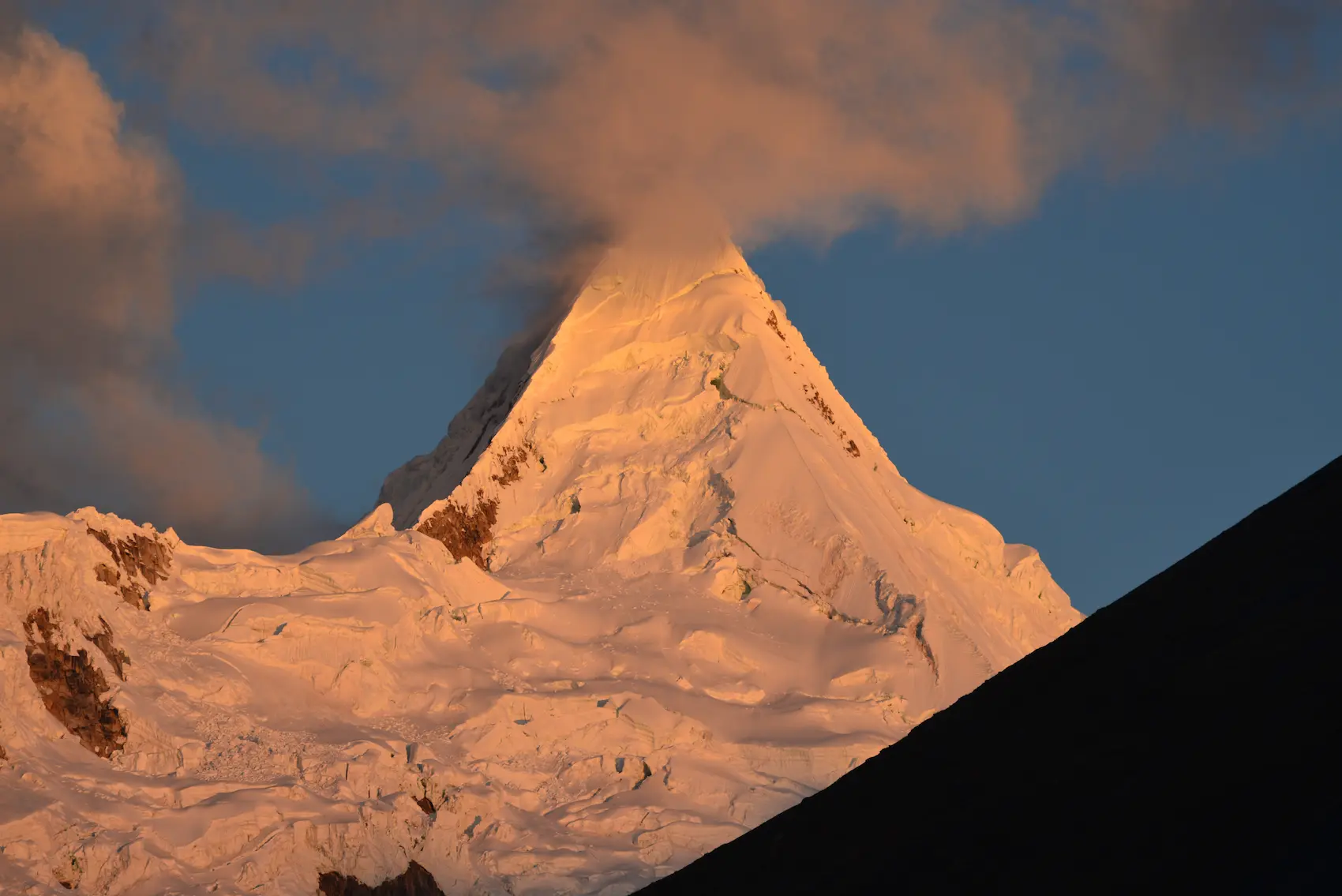
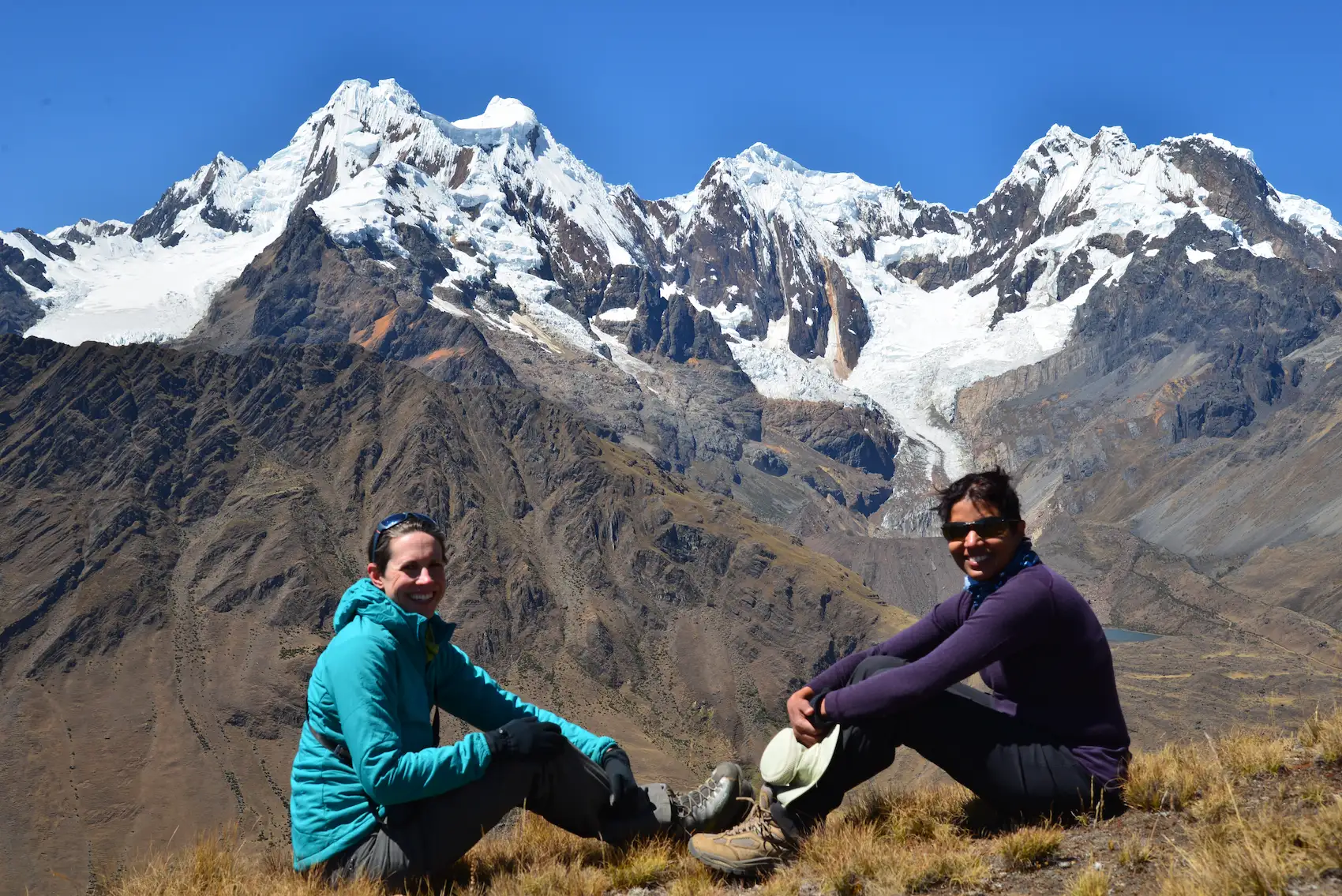
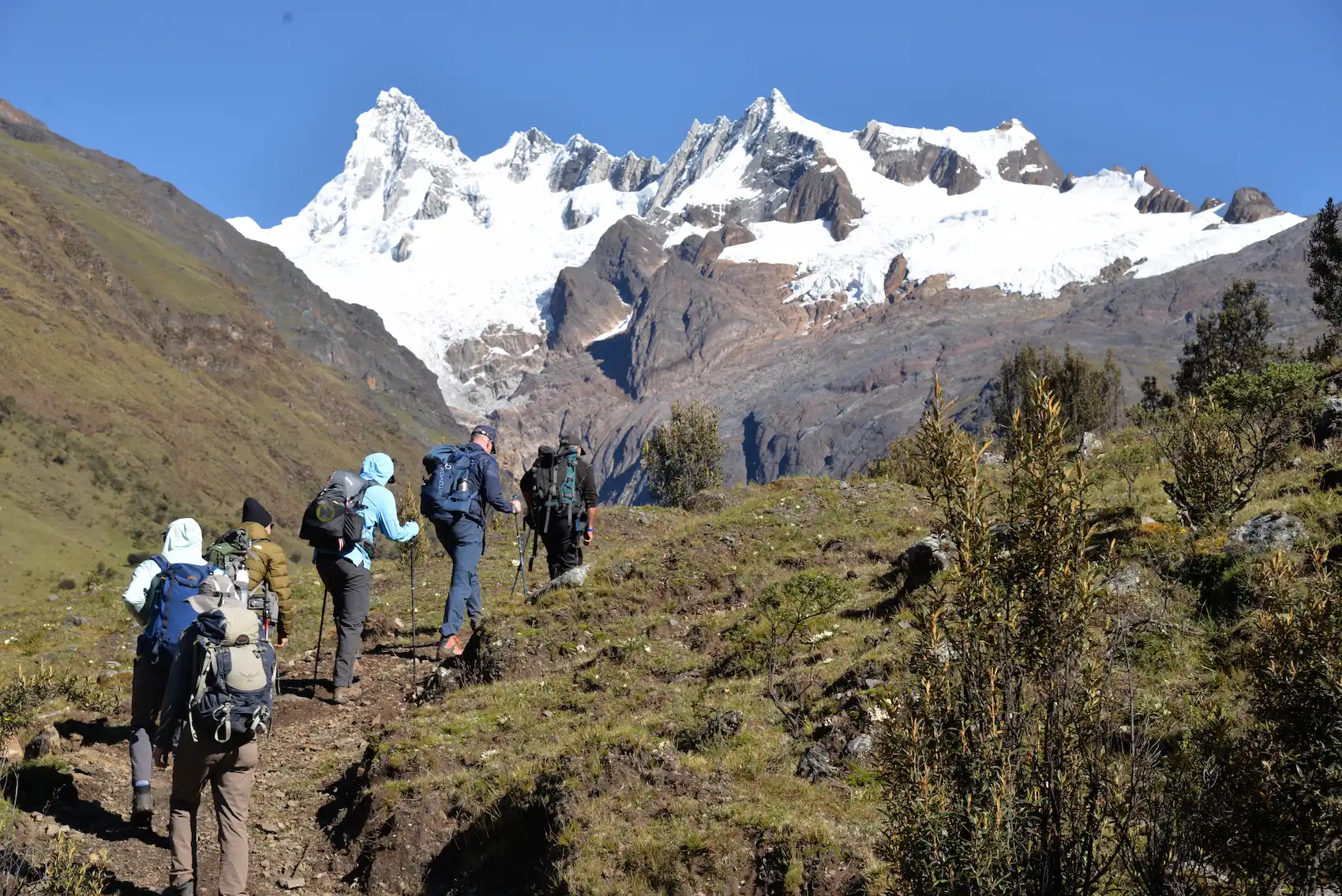
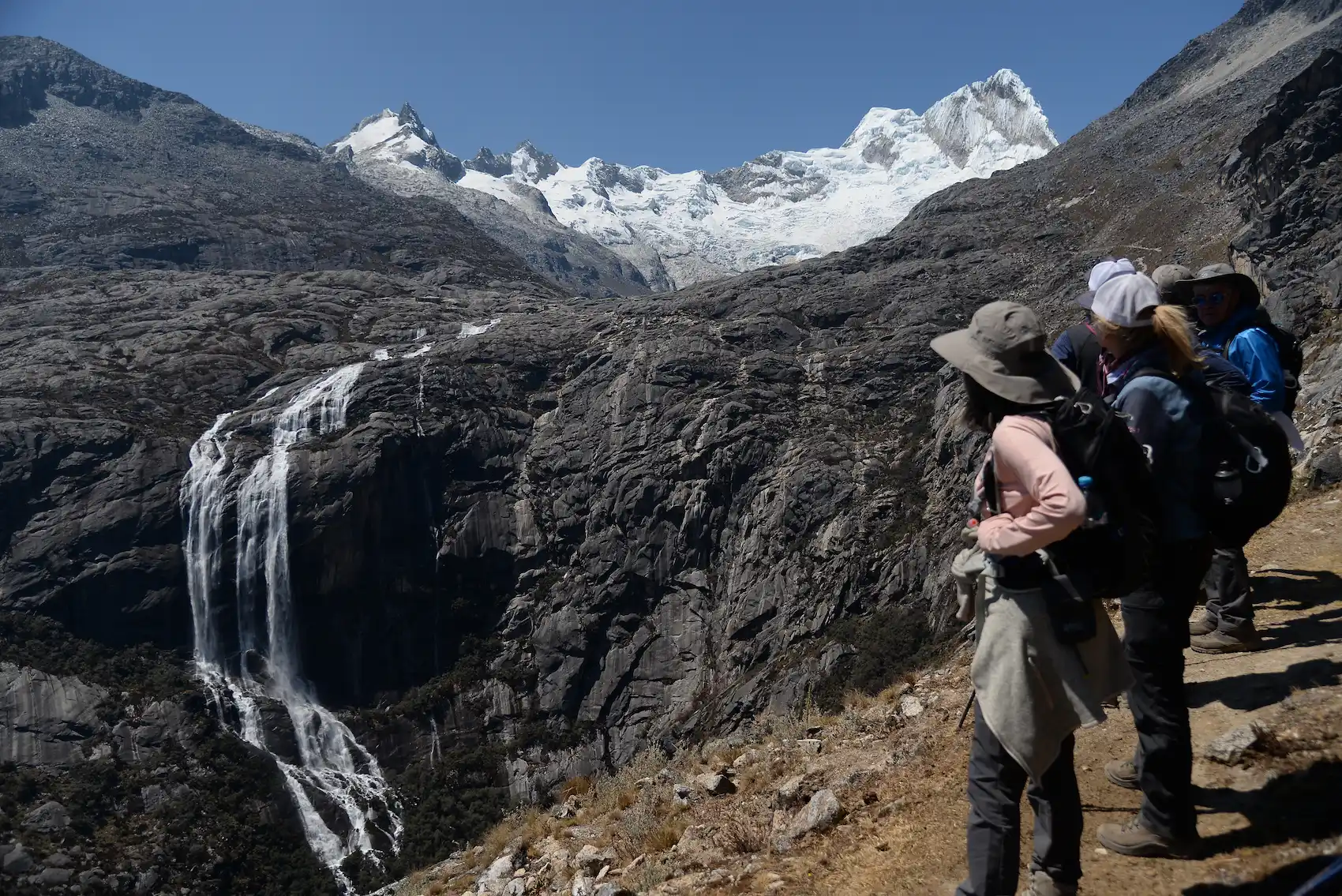
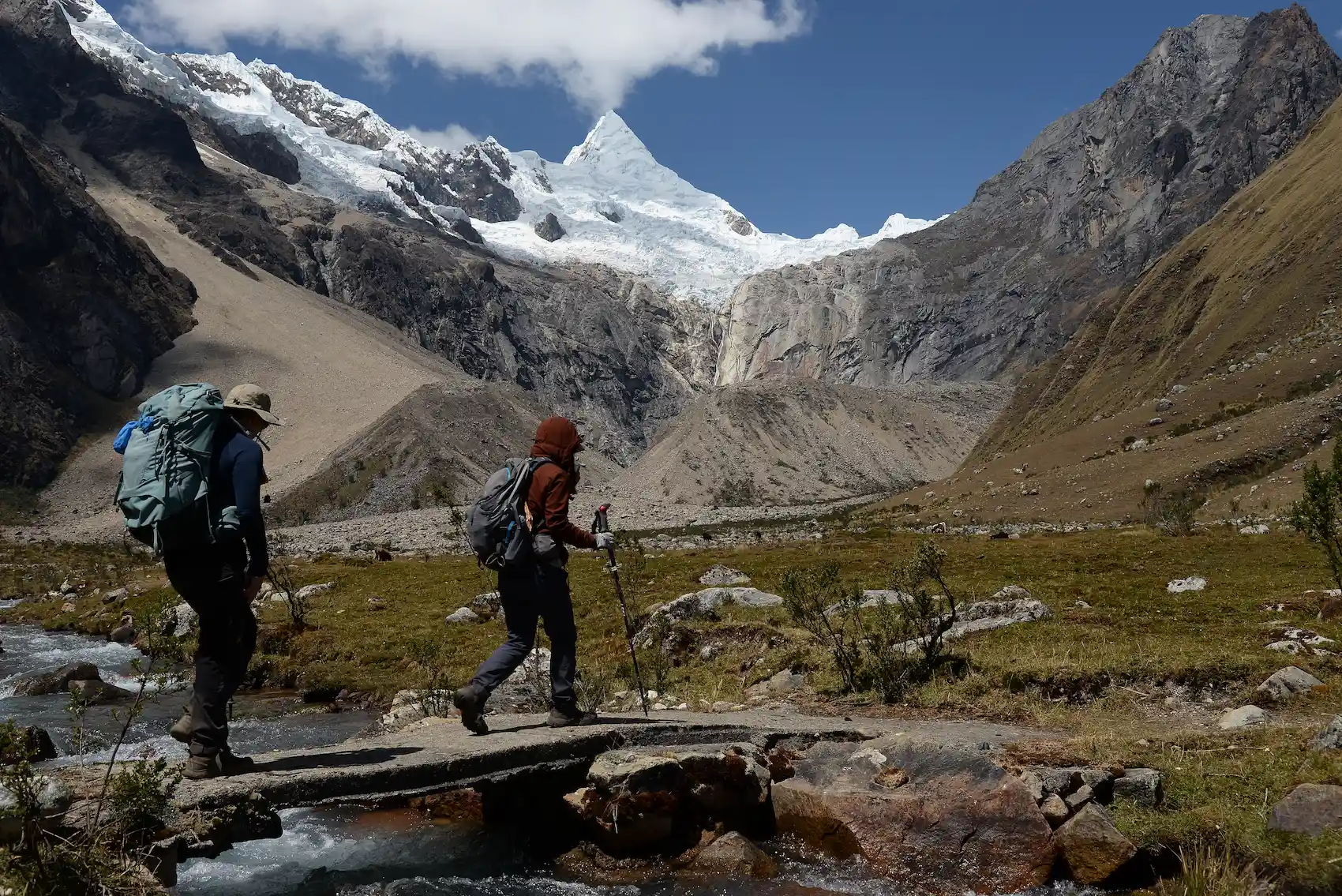
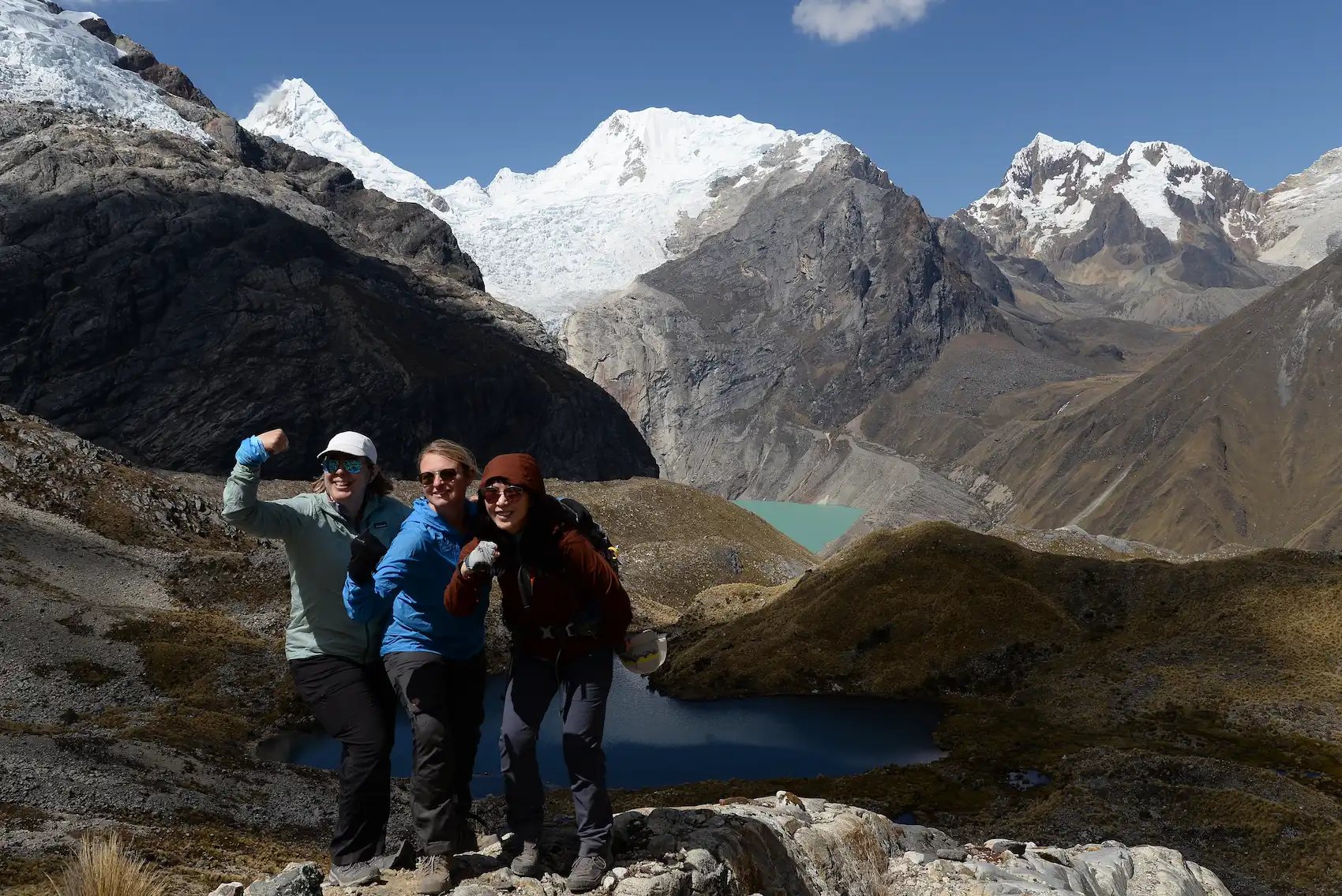
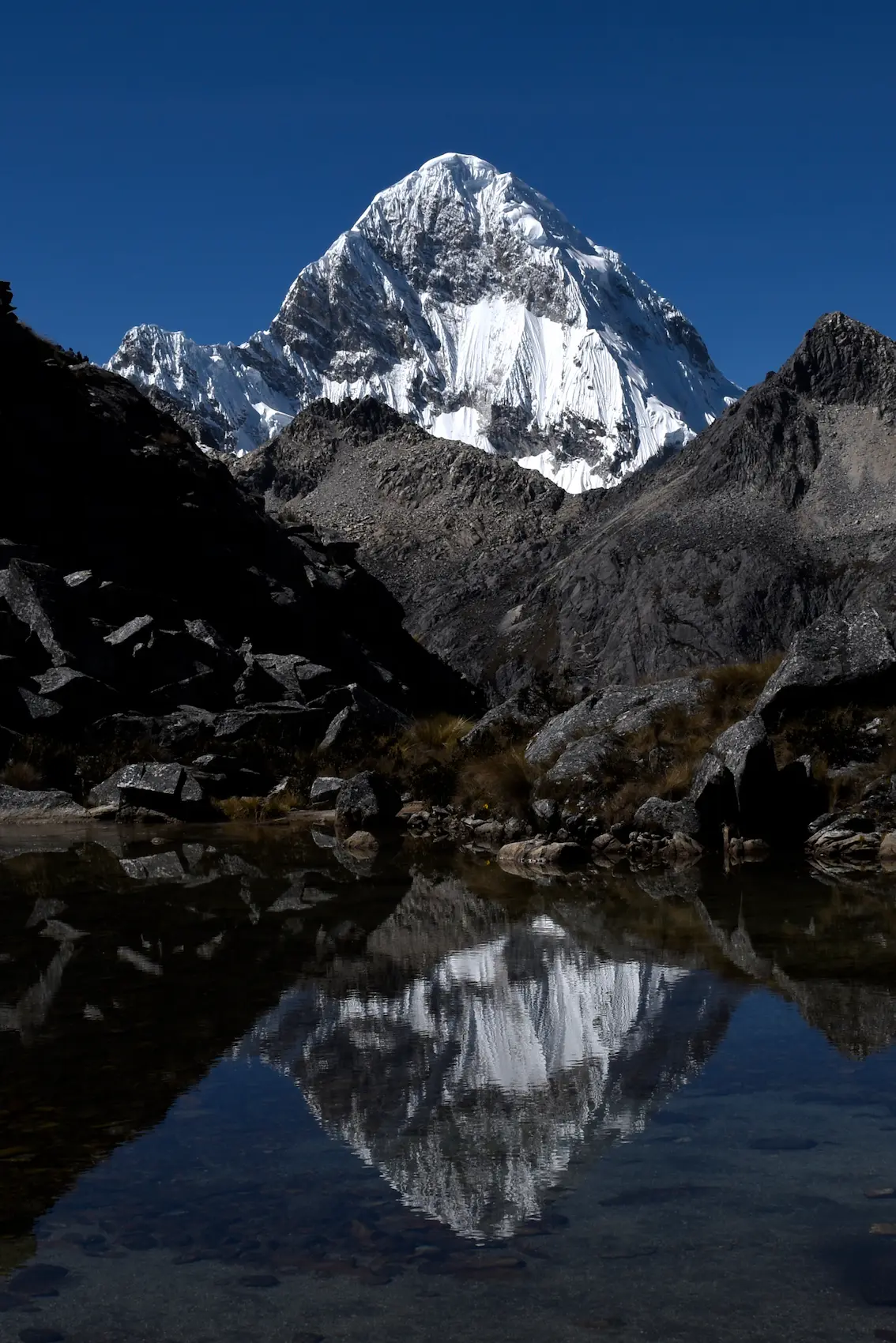
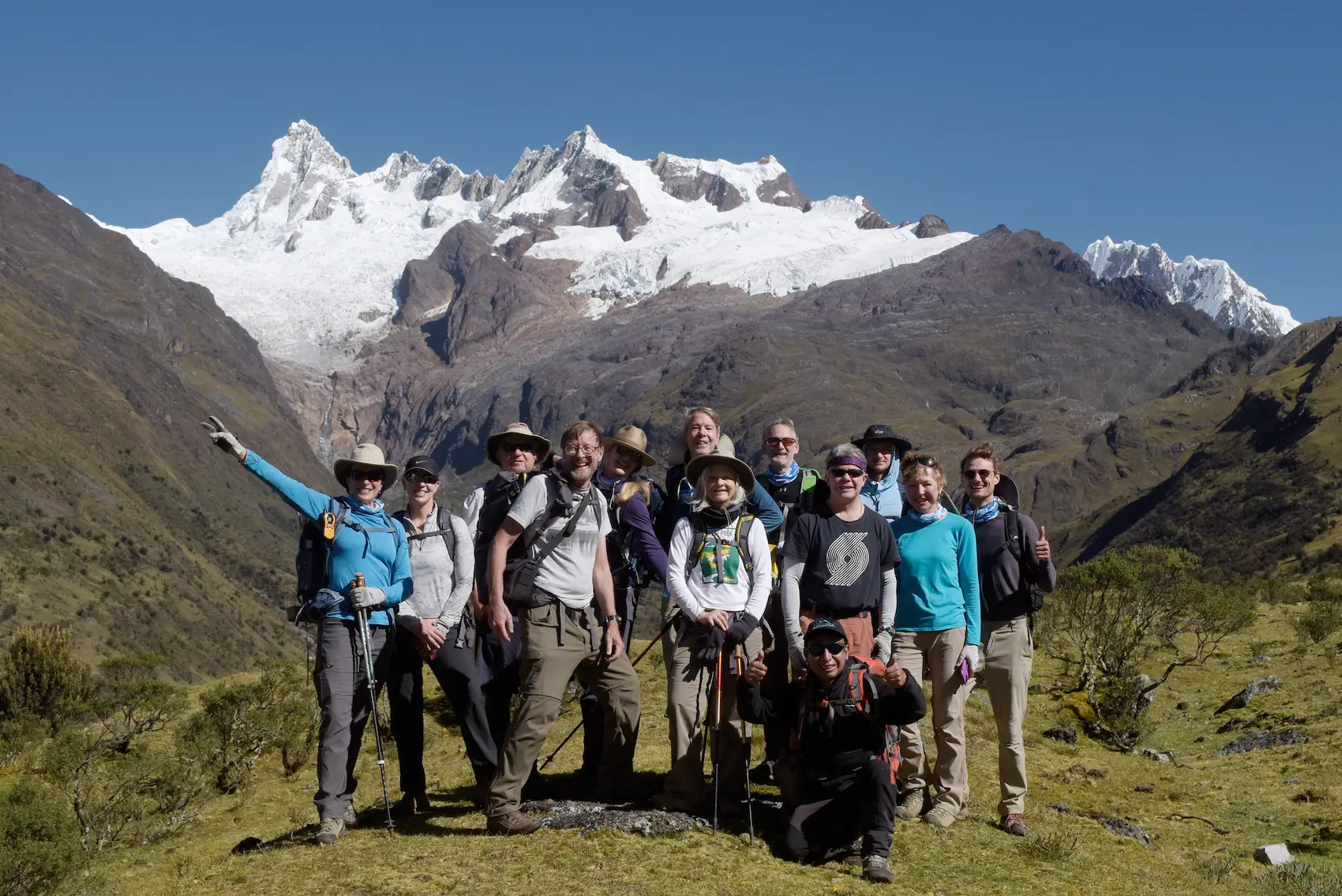
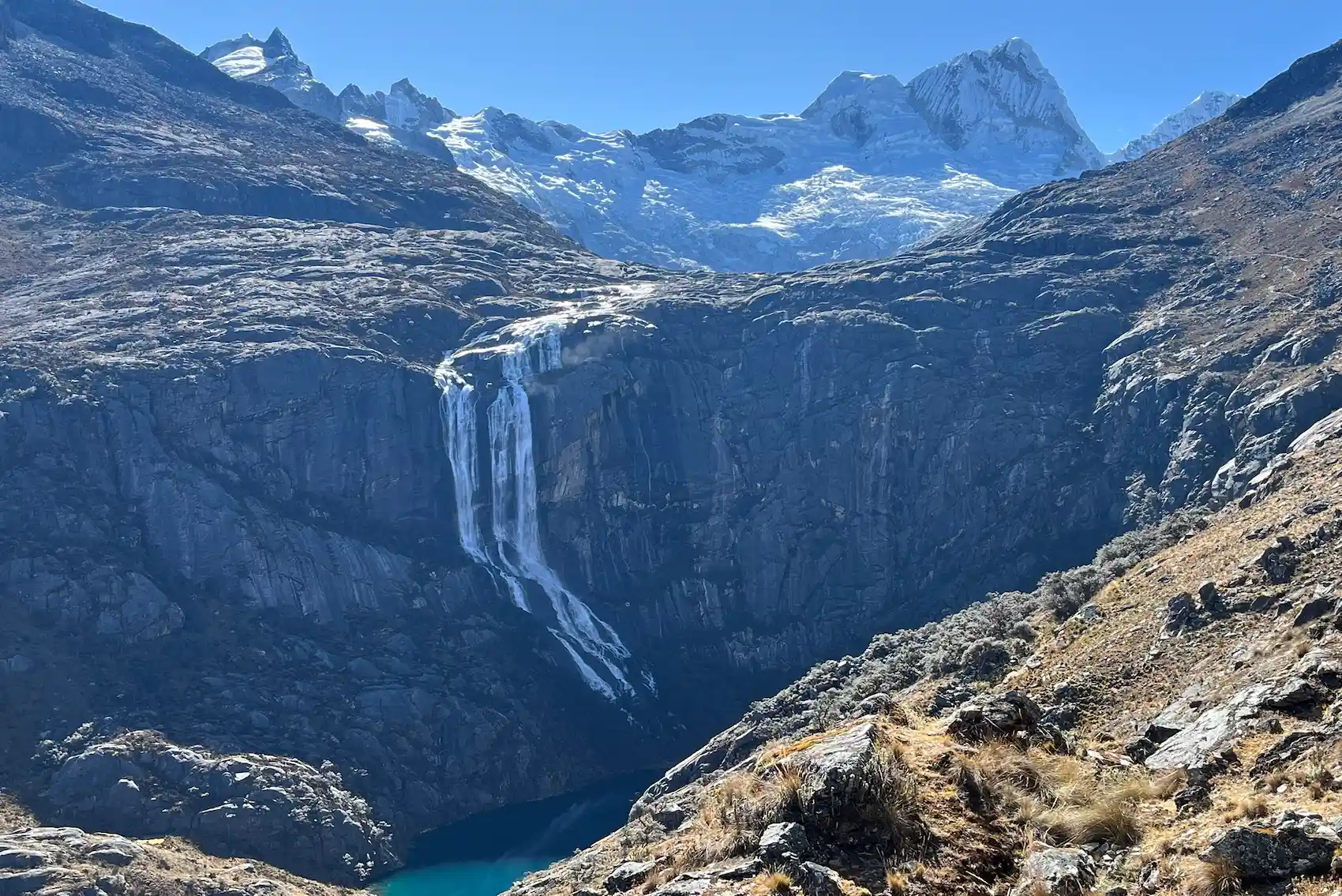
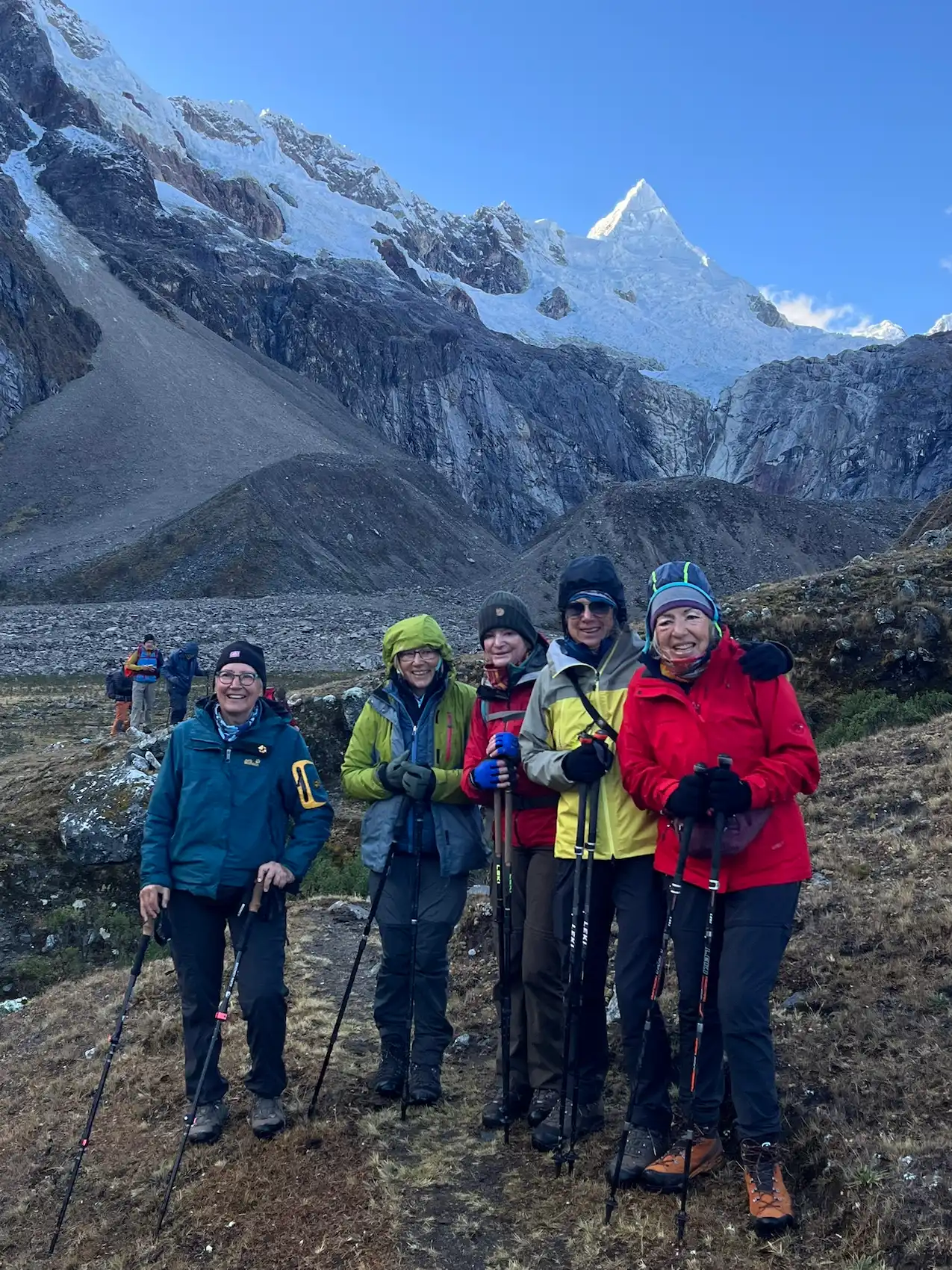
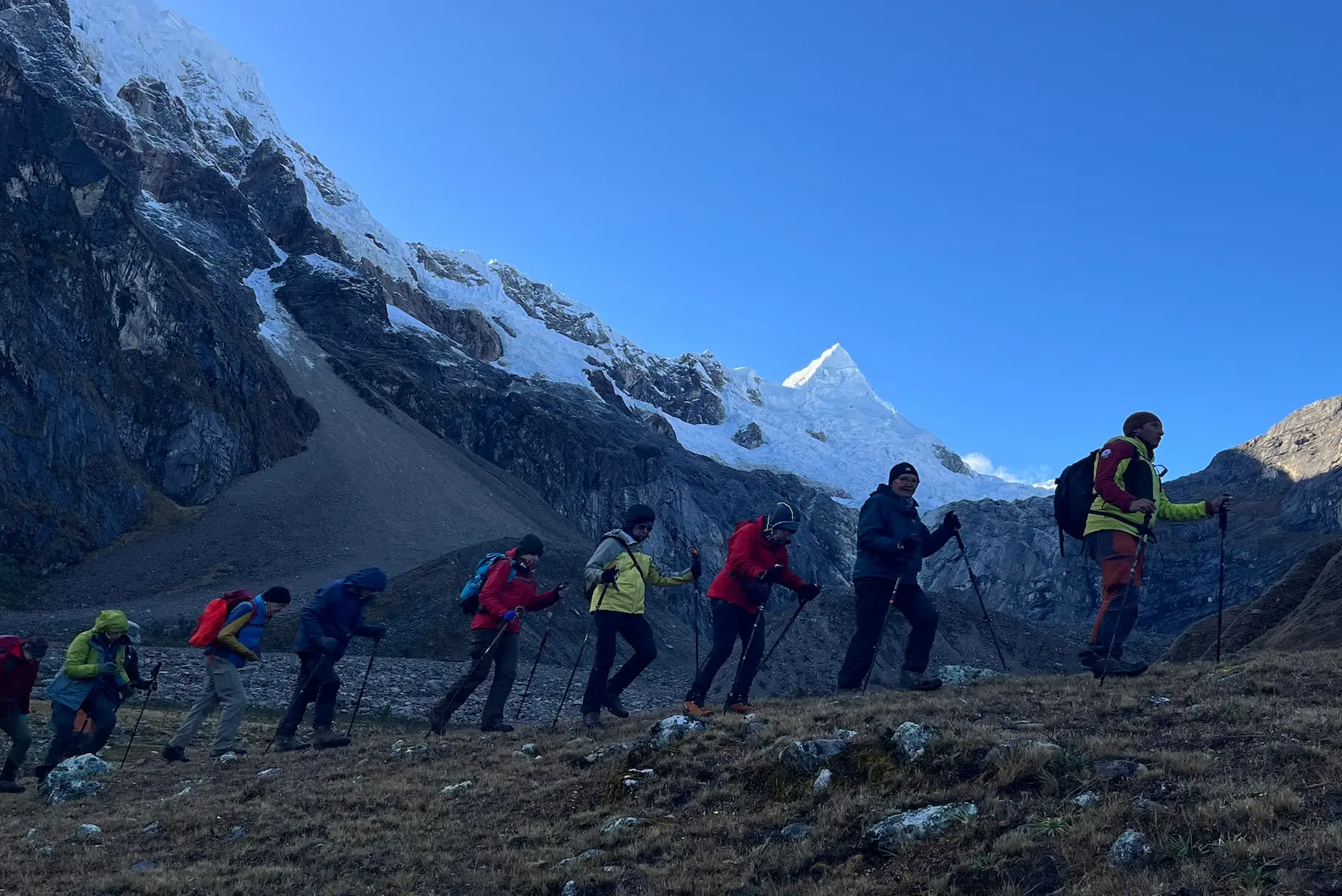
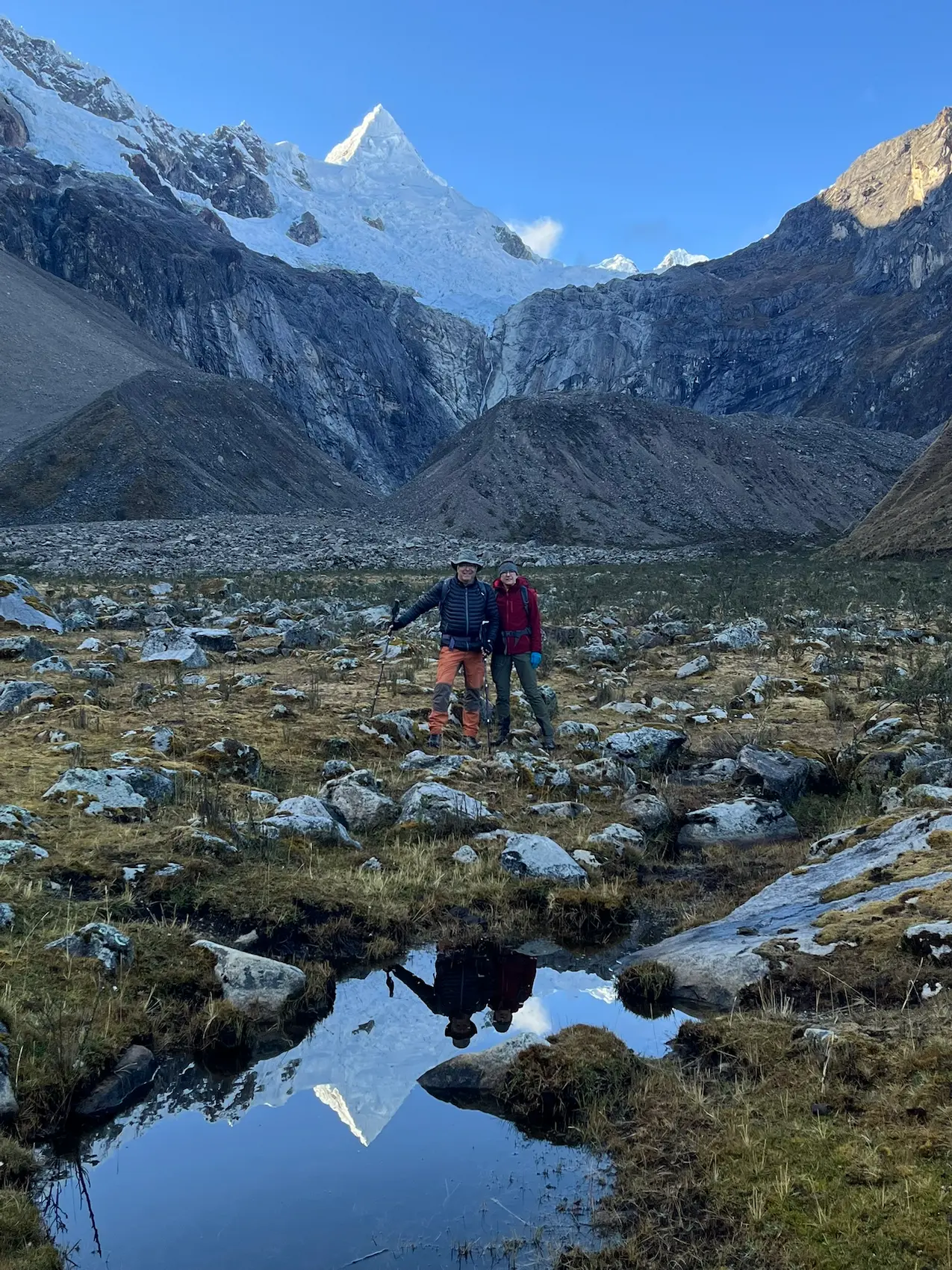
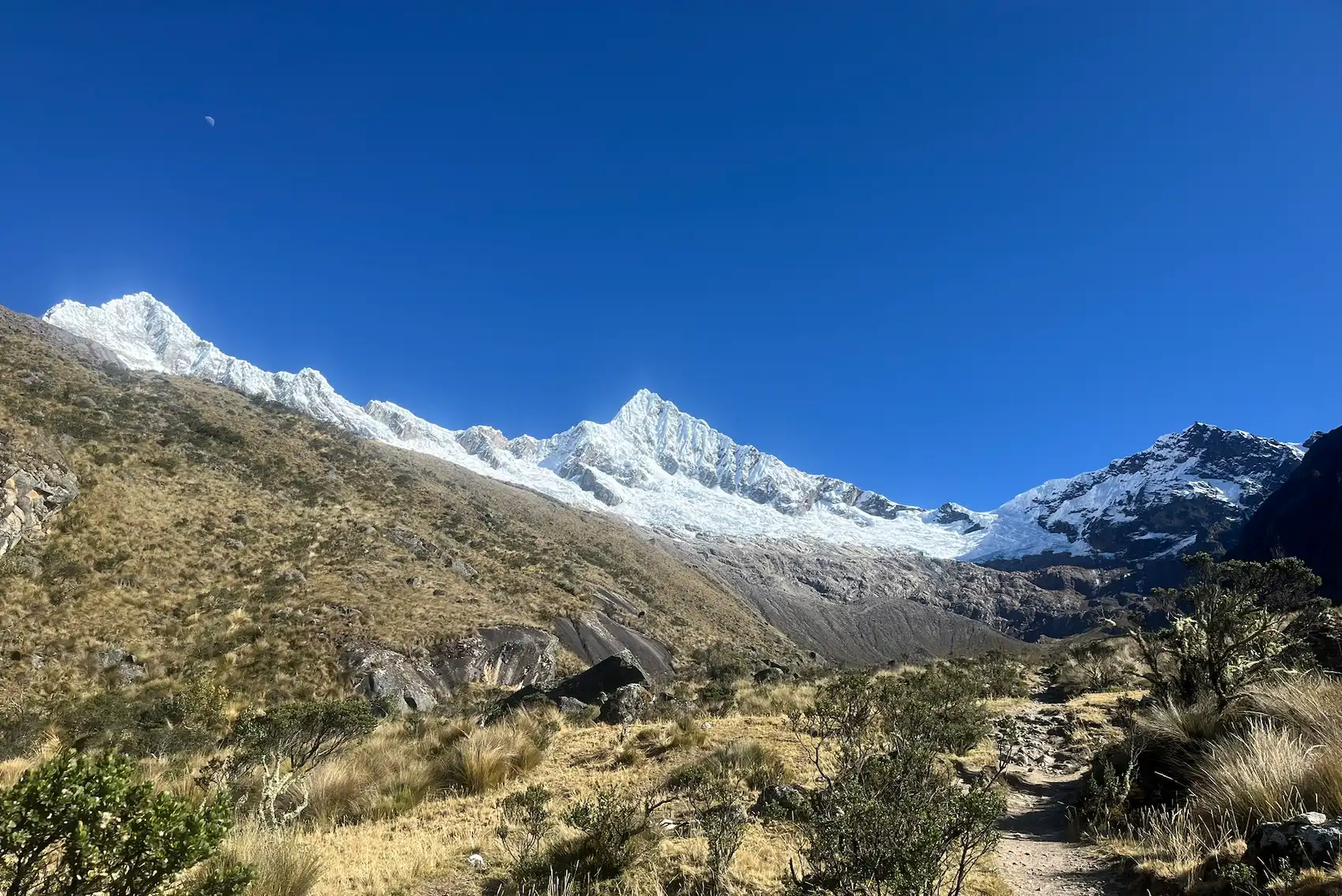
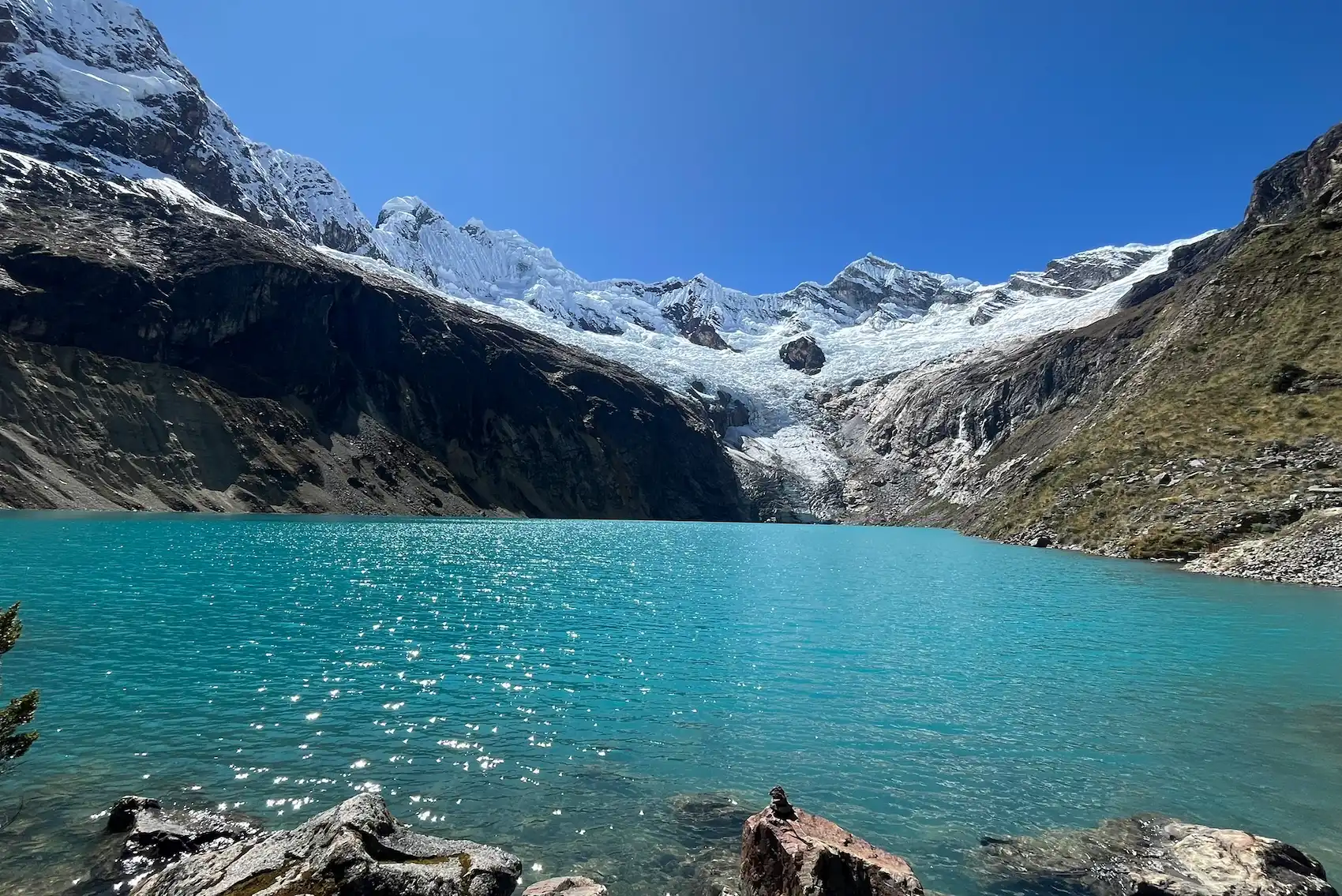
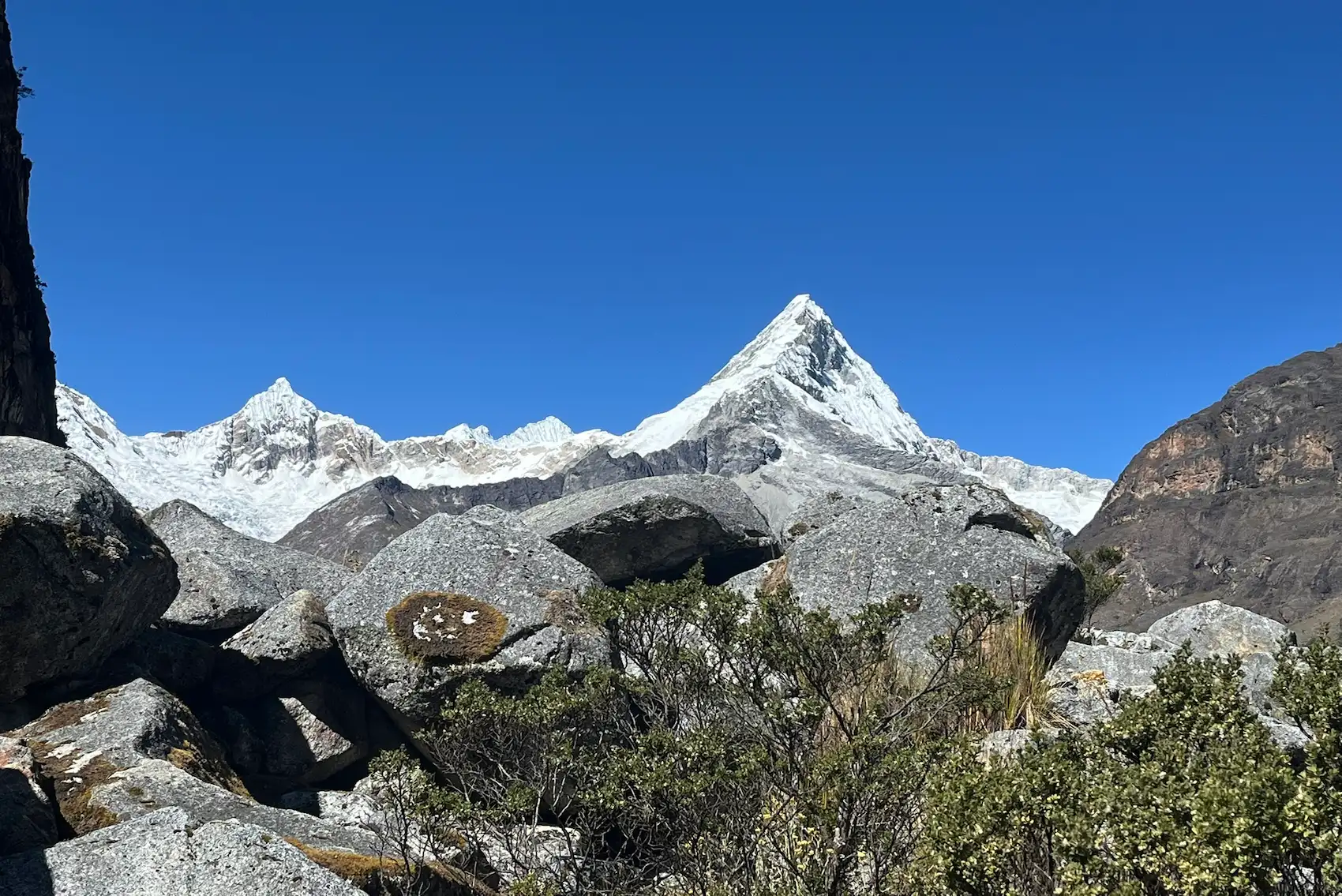
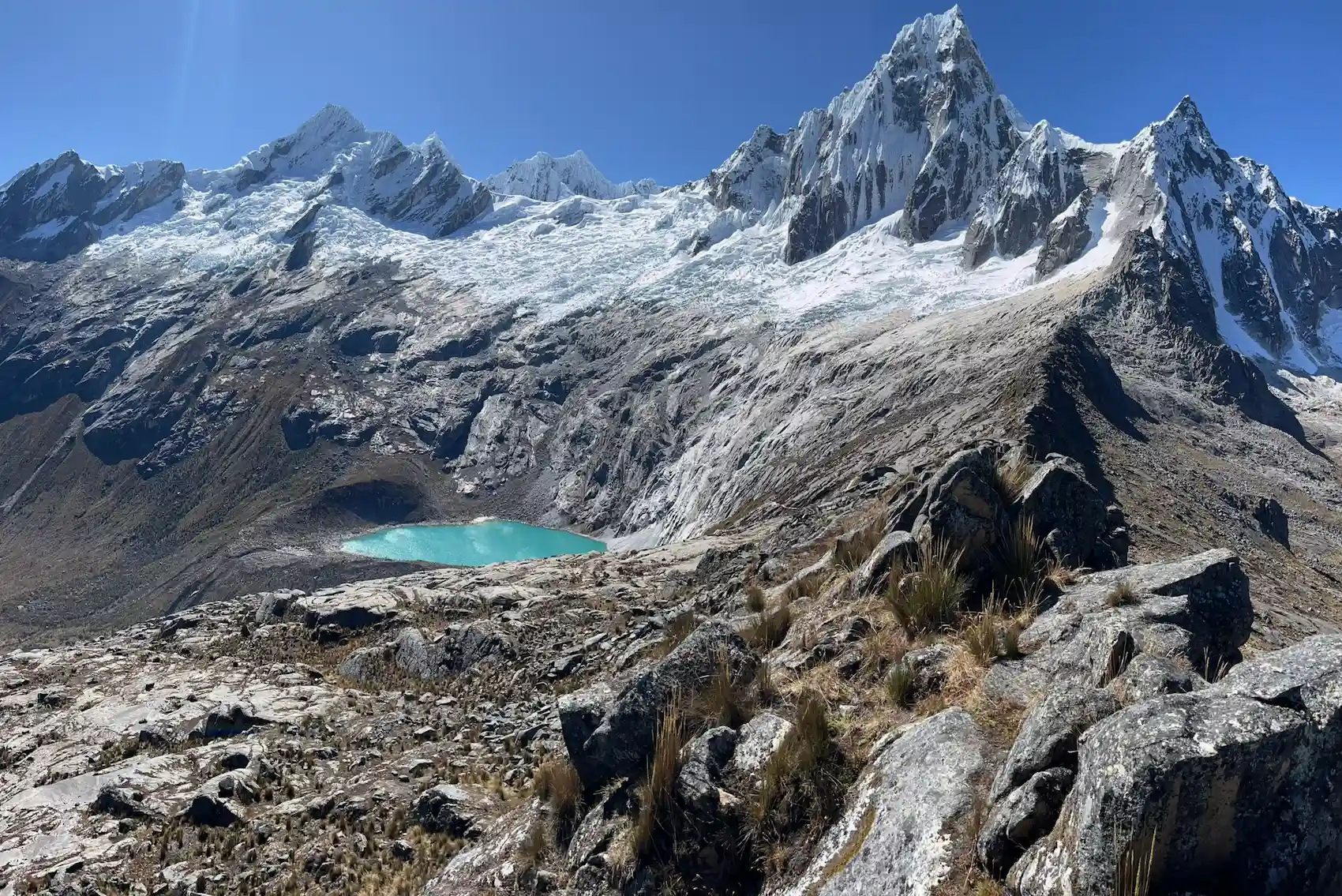
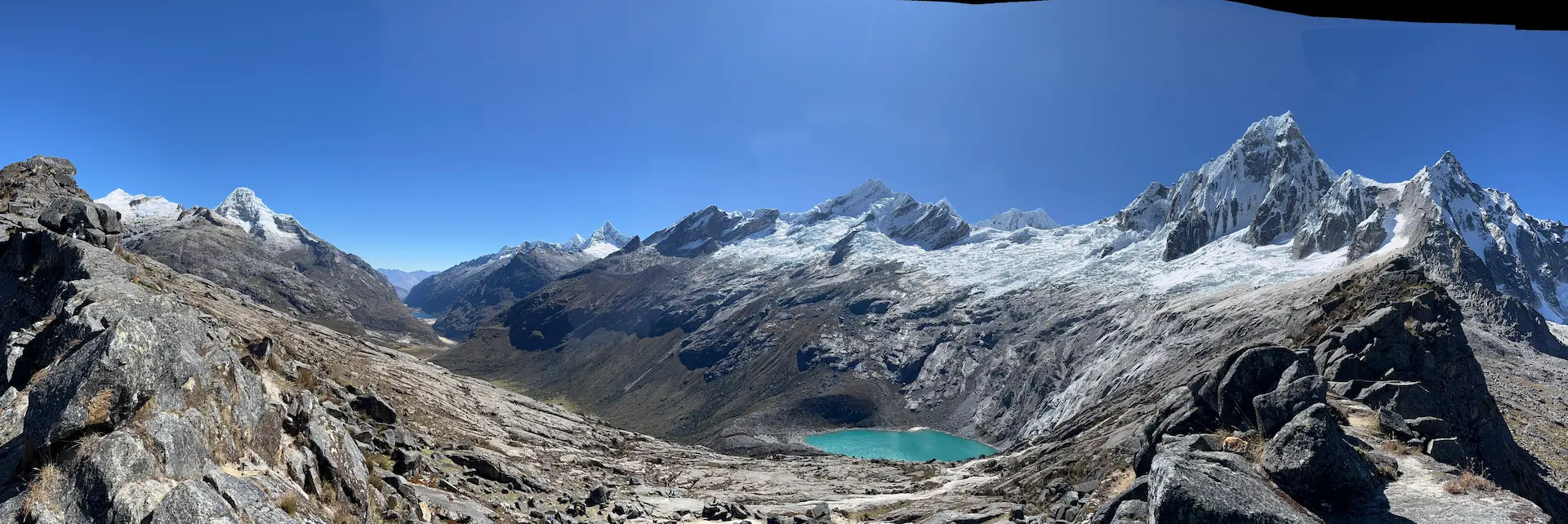
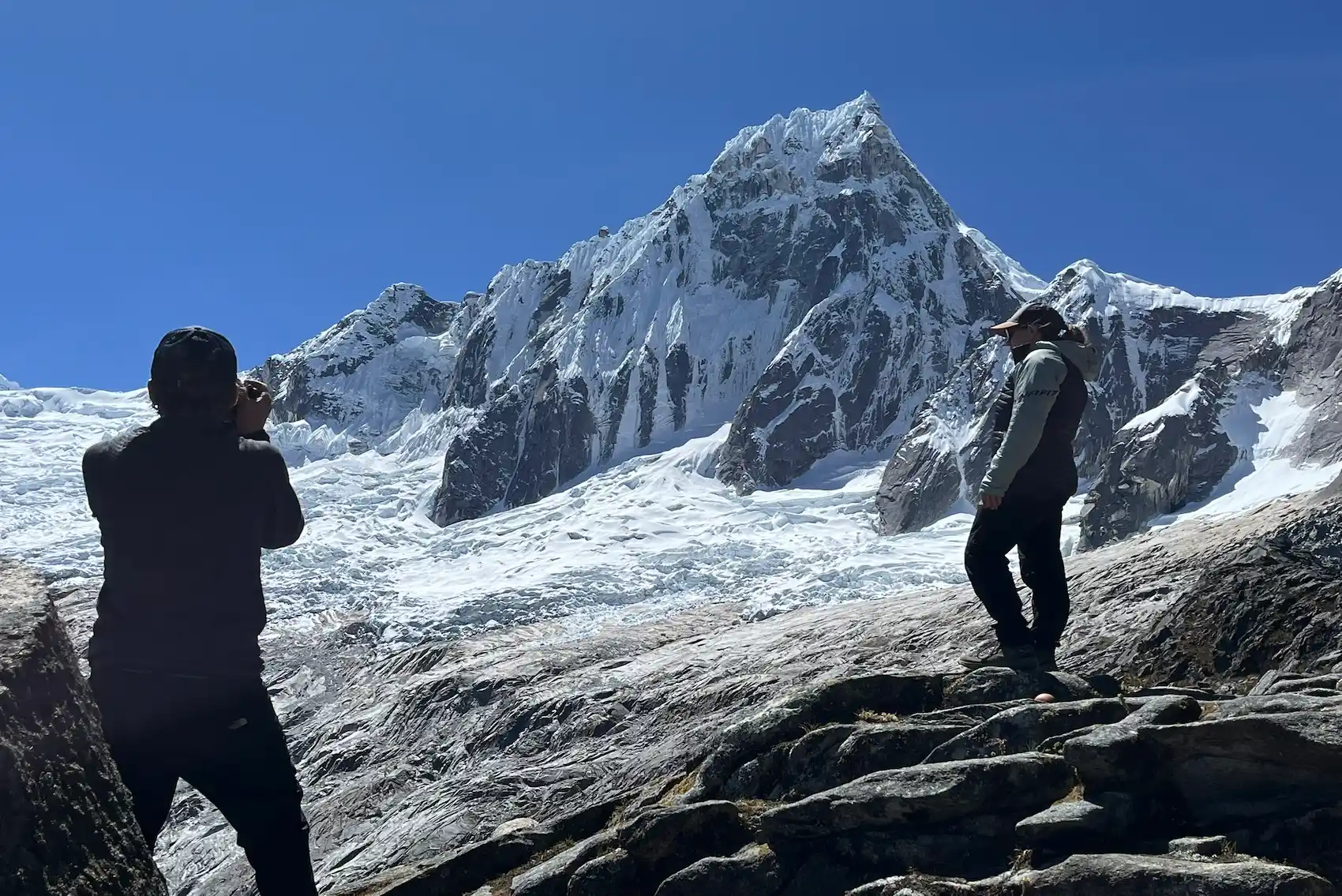
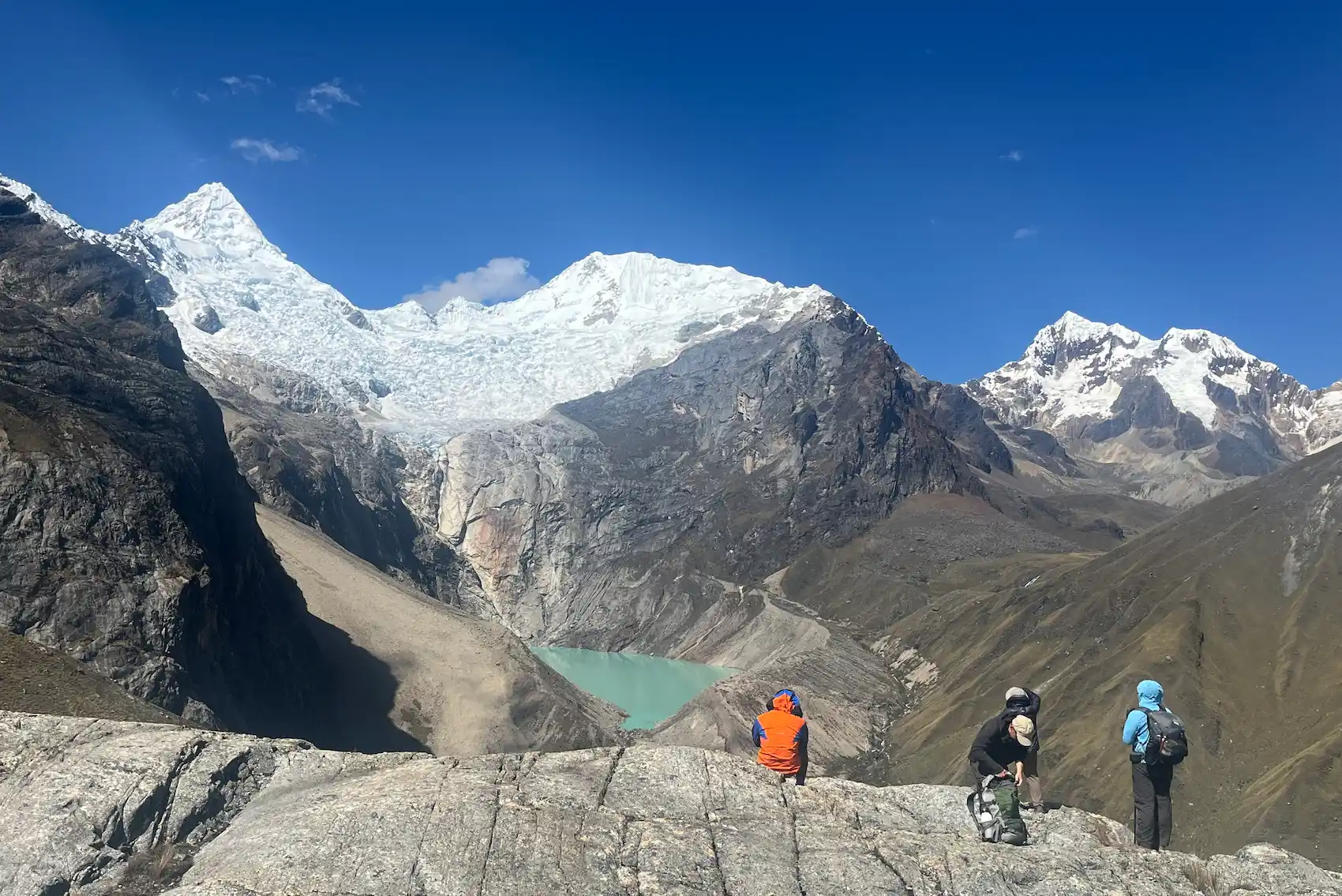
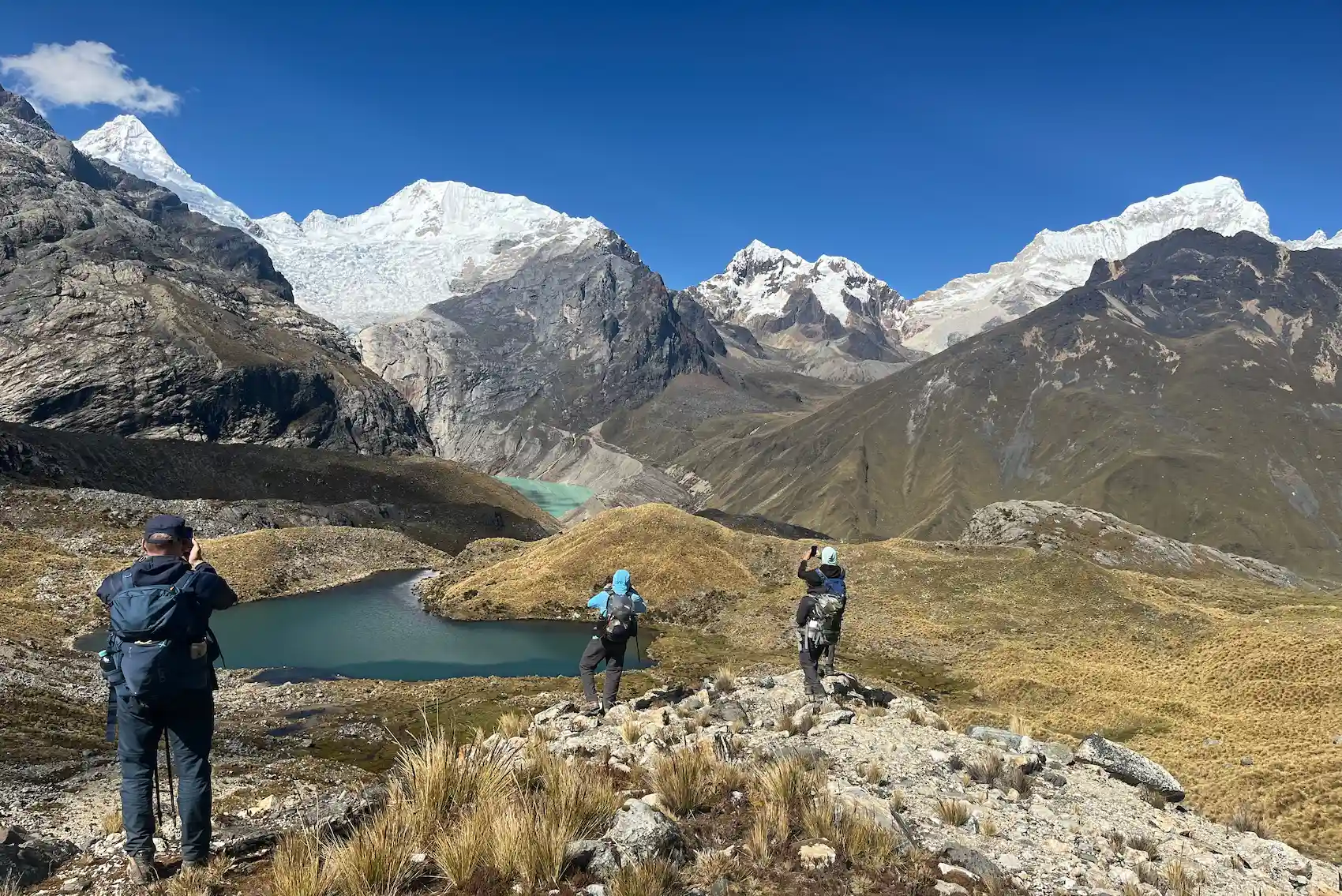
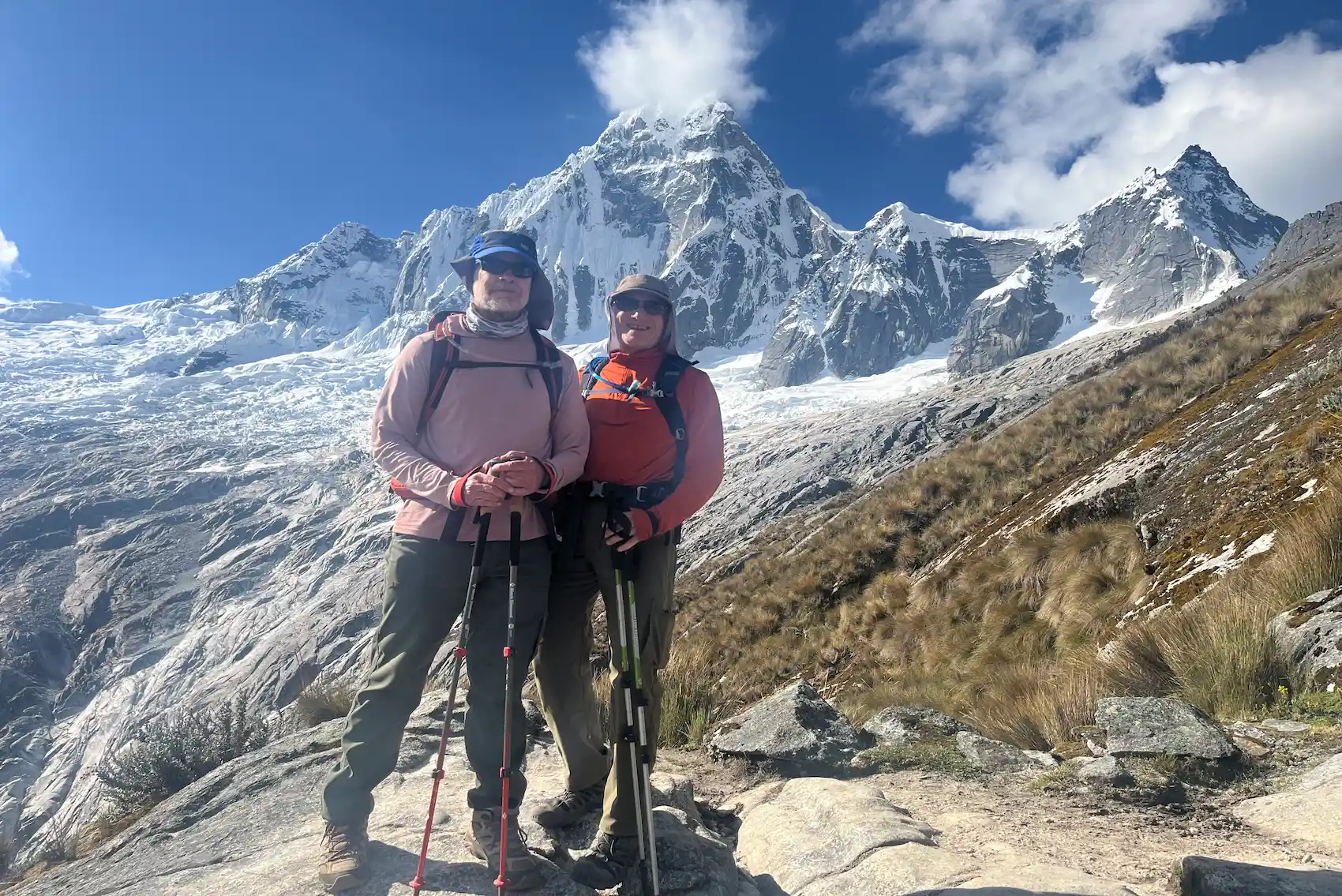
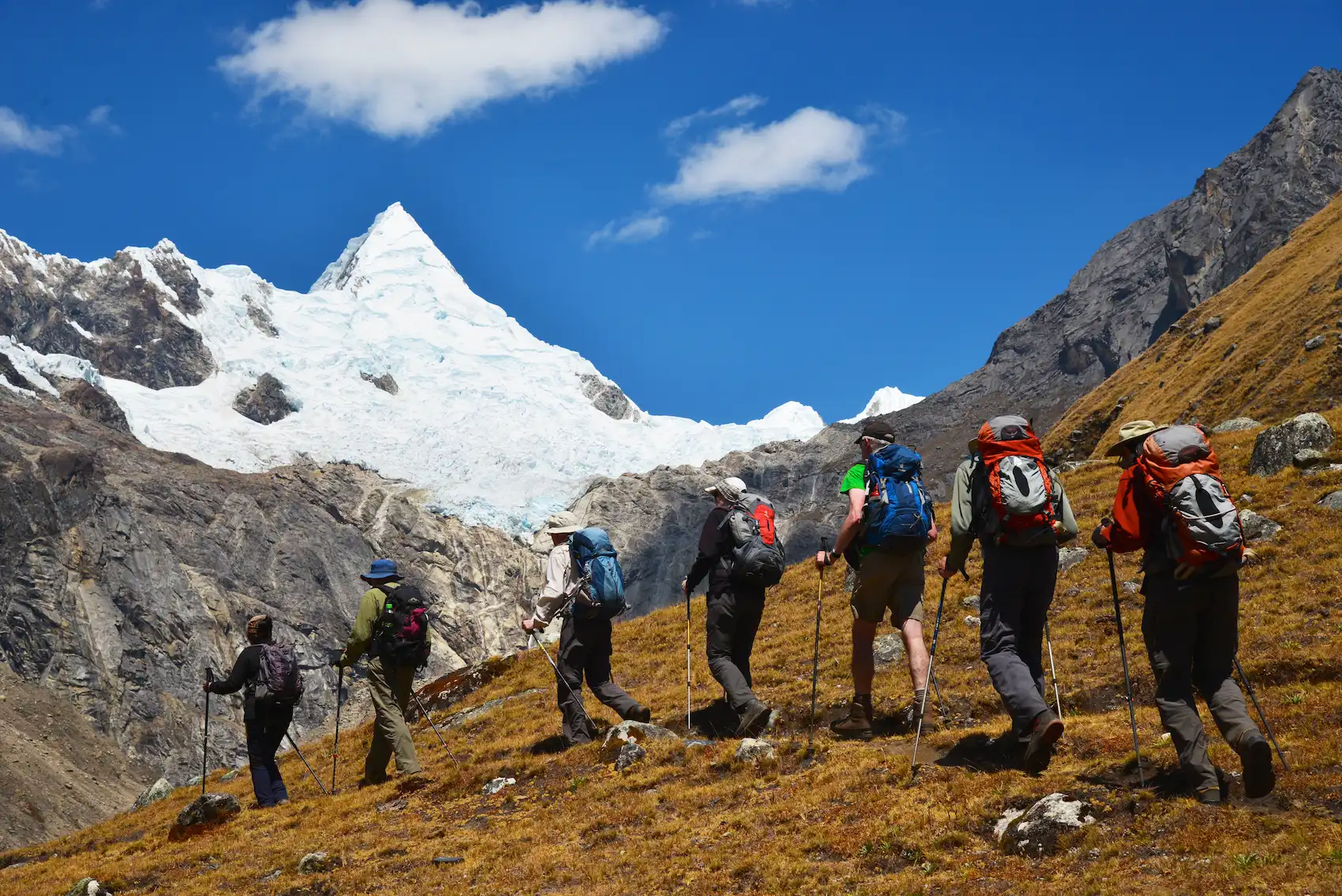
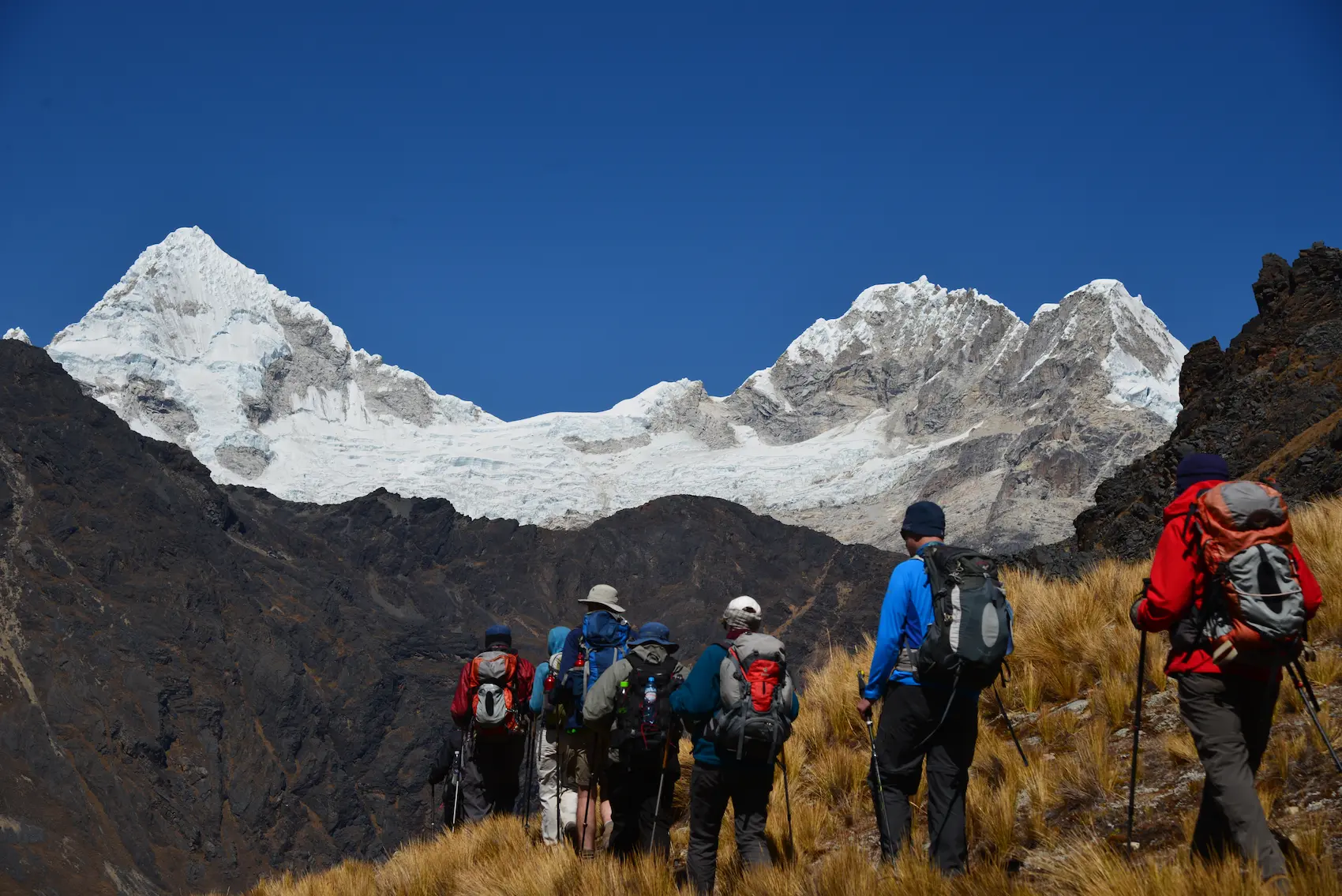
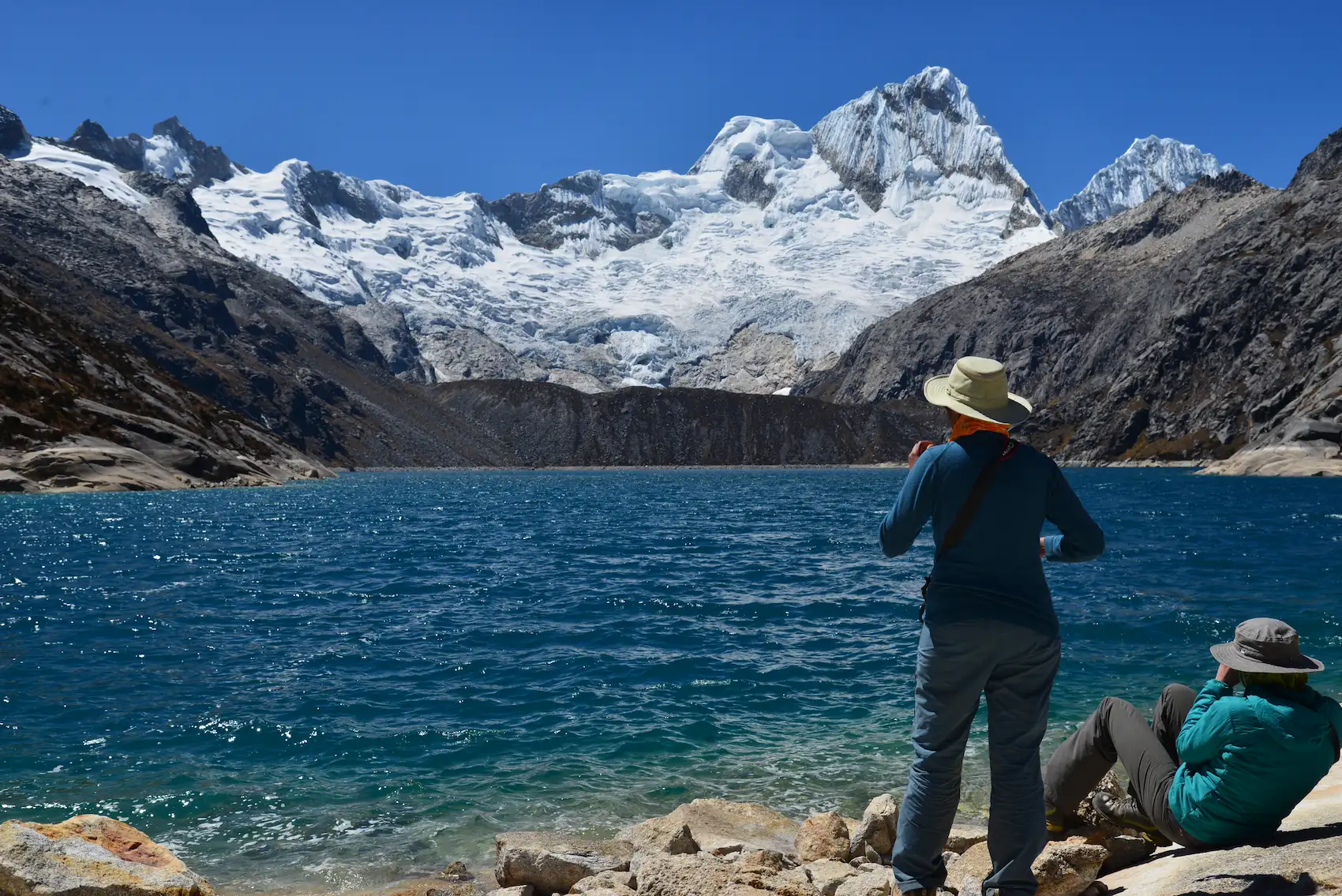
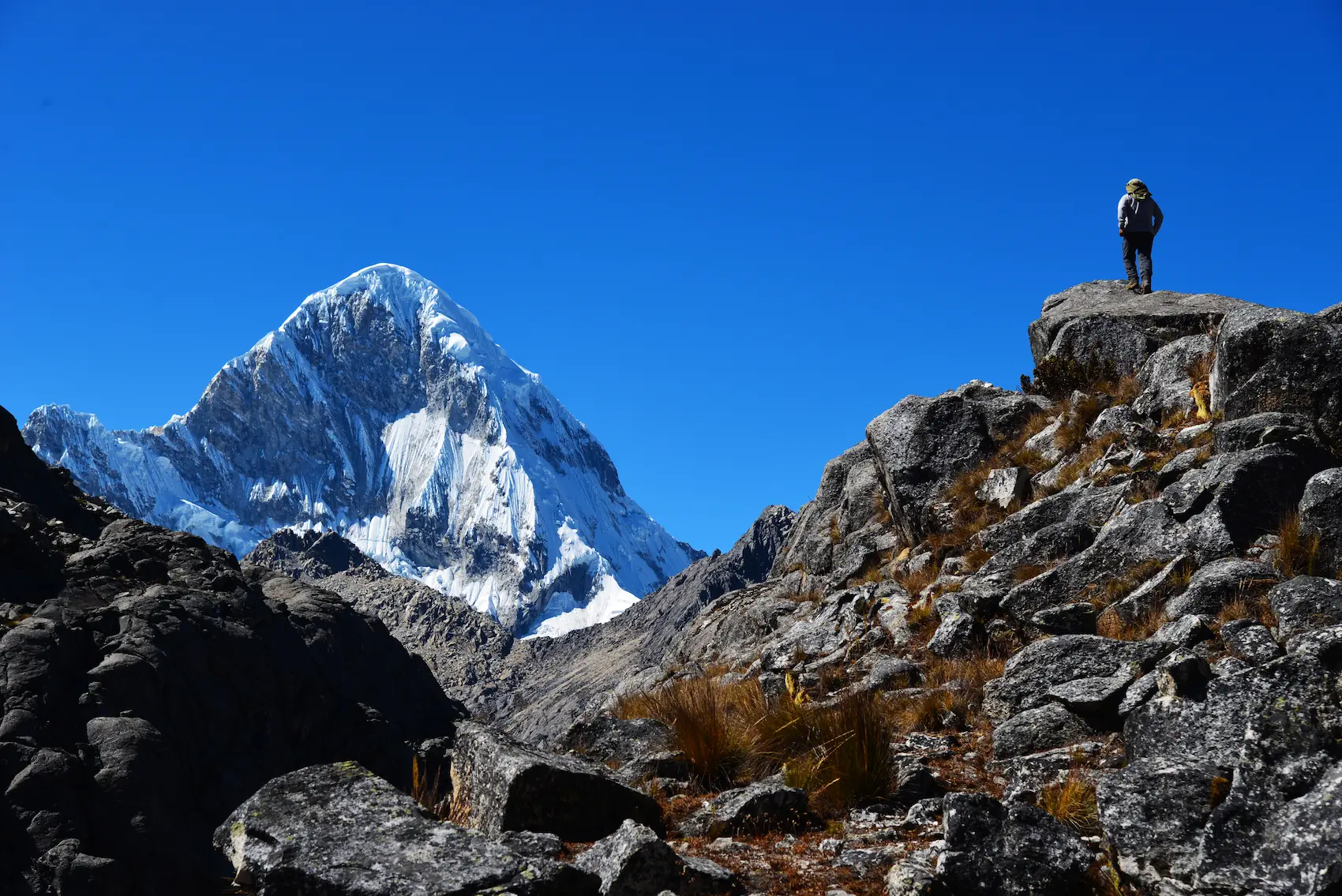
Our version of Alpamayo trek is a challenging circuit through the heart of the White Mountain Range, offering panoramic views of some of the highest peaks in the range. The route crosses high mountain passes, spectacular valleys, and pristine glacial lakes, providing the opportunity to witness the world-famous Nevado Alpamayo, often called the “most beautiful mountain in the world.” This trek takes us deep into the remote inner sanctum of peaks, glaciers, and alpine lakes.
We venture to both base camps of Alpamayo—one of the most breathtaking mountains in the world—beginning with the southern approach and, after a few days, conquering the northern side, immersing ourselves in the sheer majesty of this legendary peak.
Highlights
- Circumnavigate the “most beautiful mountain in the world,” the perfectly shaped Alpamayo
- Trek through the beautiful White Mountain Range
- Enjoy the warm hospitality of remote Quechua communities along the way
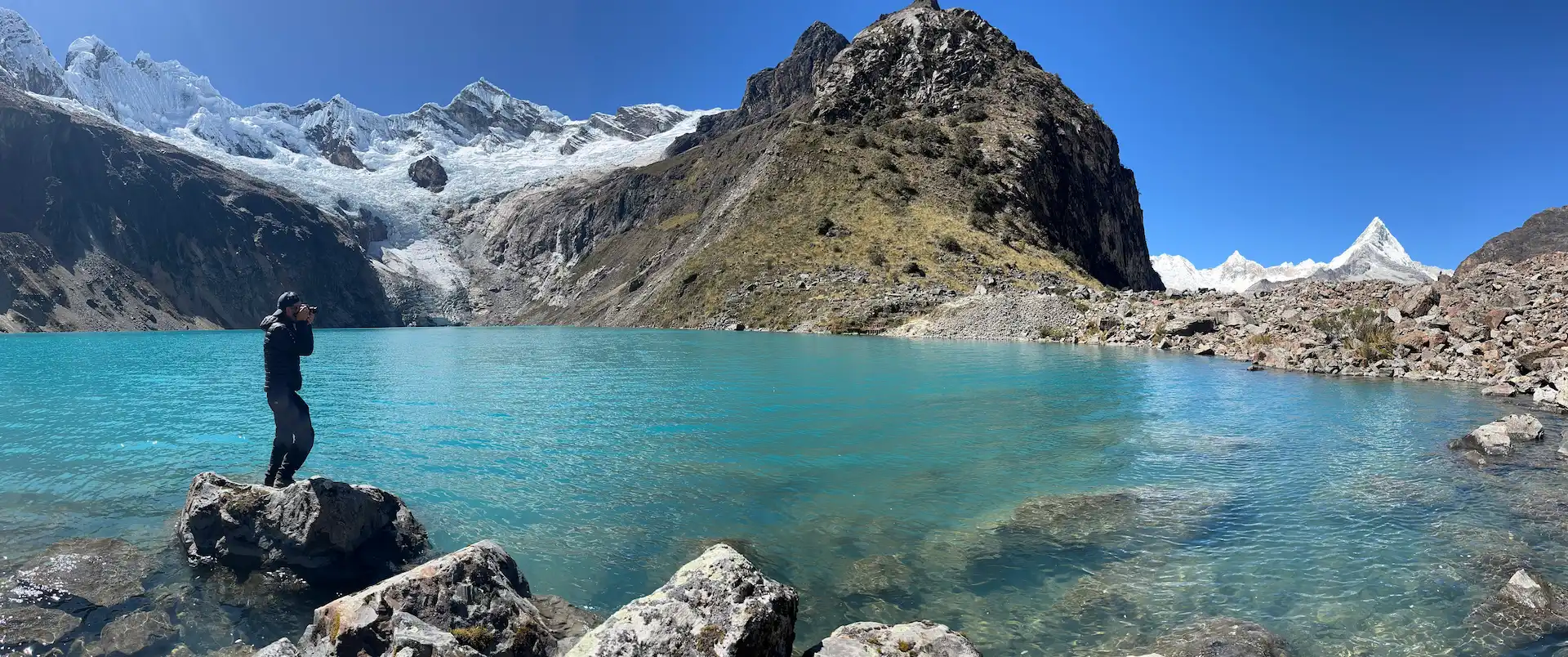
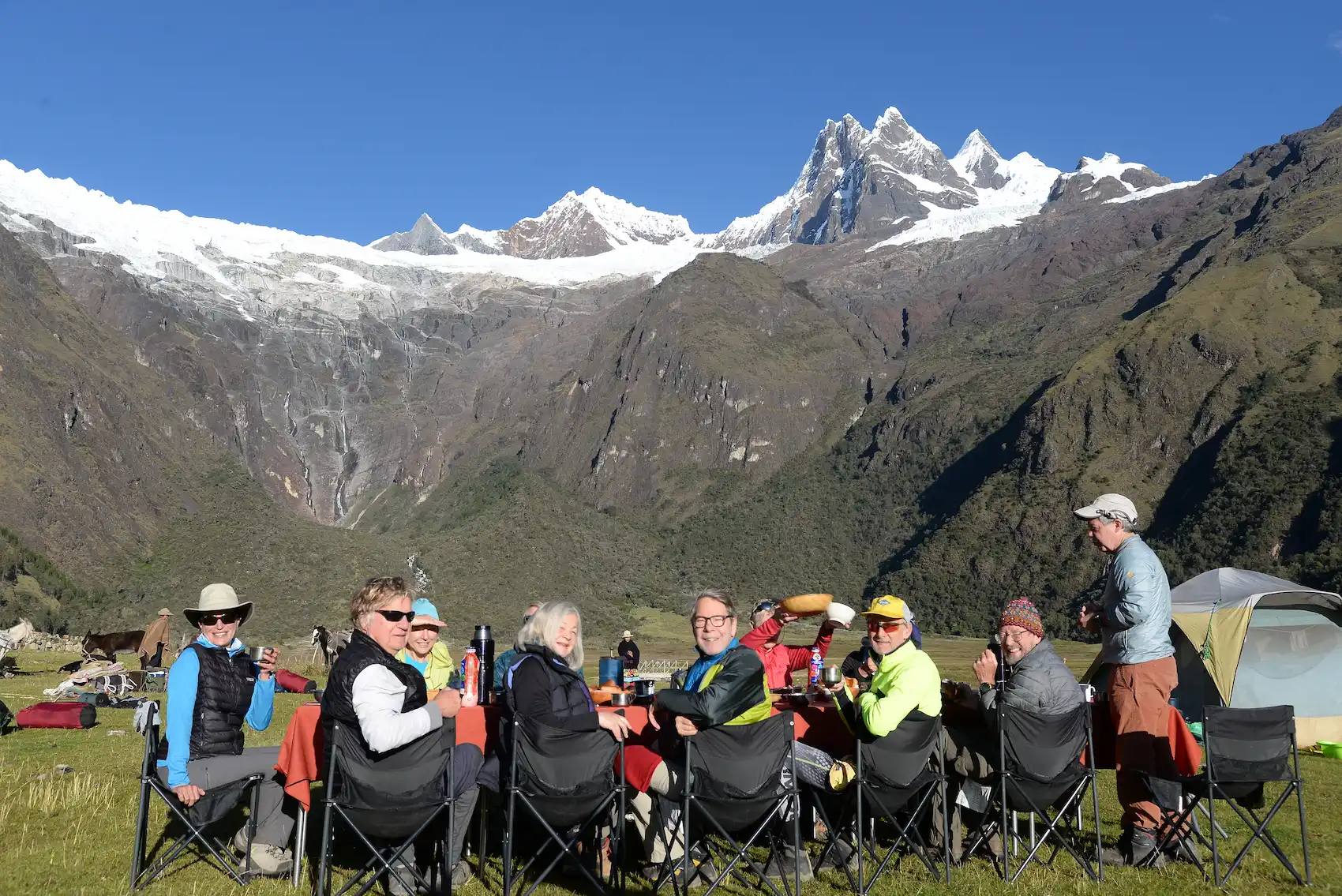
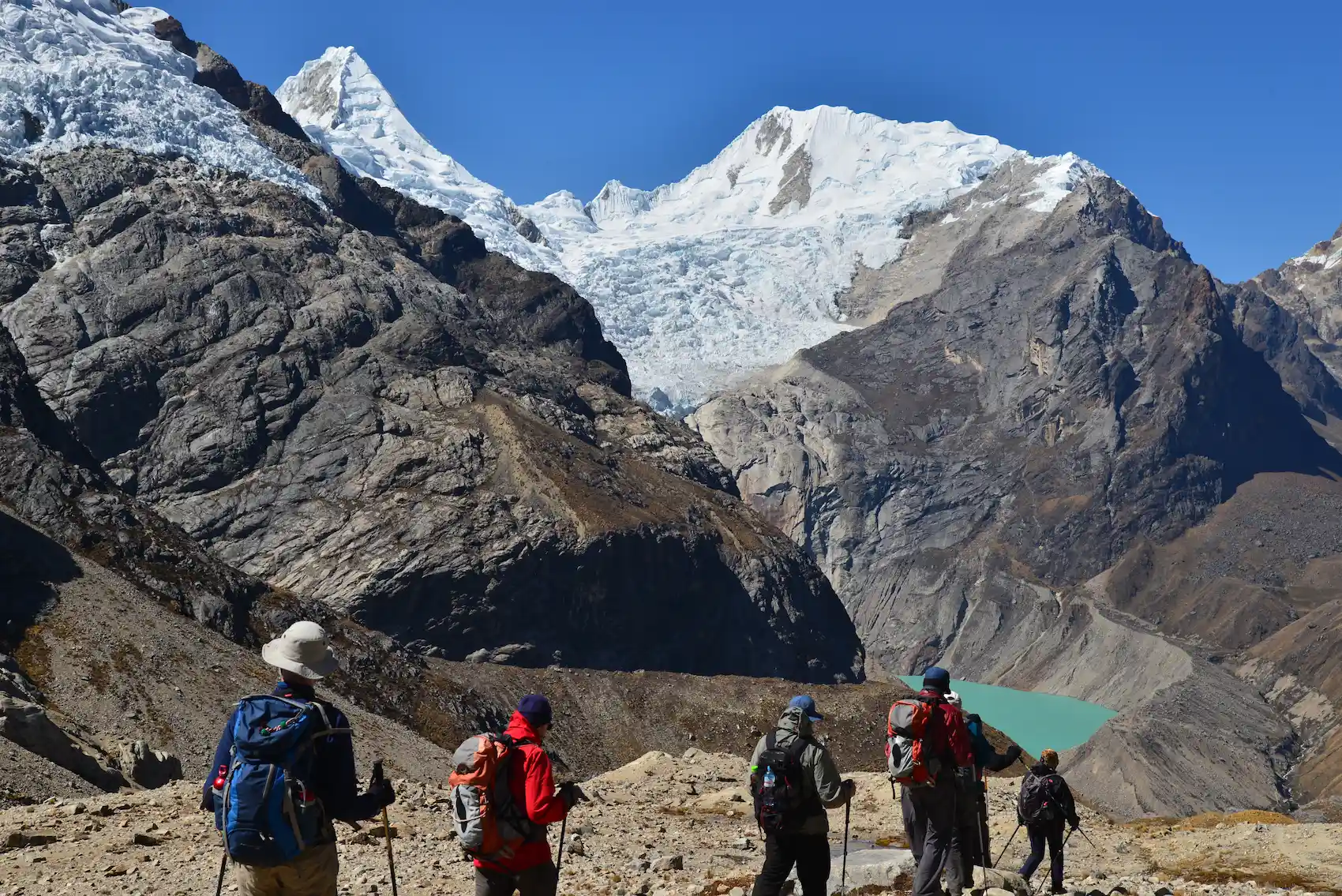
- Camp in the most stunning locations, surrounded by azure glacial lakes and snow-capped peaks
- Find out for yourself why Alpamayo was voted the world’s most beautiful mountain
ITINERARY
Day 01: Depart Huaraz for the start of our trek at Cashapampa and hike to Llamacorral
Leaving the city, we follow the Santa River north by bus. In the subtropical climate of the Santa Valley, one of Peru’s most fertile valleys, fruits, grains, and cultivated roses thrive. Along the way, we see the Yungay memorial, a site completely destroyed on May 31, 1970. A massive earthquake, with its epicenter in the Pacific Ocean, triggered enormous rock and ice avalanches from Huascarán’s north summit, burying the town below. Thanks to international donations, Yungay was rebuilt further north. After passing Caráz, we turn off the main road and soon reach Cashapampa at approximately 2,759m./12,332ft., where we meet our trekking team and begin our journey.
Our first day of trekking follows a gentle ascent up the narrow Santa Cruz Valley. To our left rise the 6,000m./19,685ft. peaks of Nevado Santa Cruz and Nevado Quitaraju, and to our right towers the 6,000m./ 19,685ft., Nevado Artesonraju. In Llamacorral (3,759m./ 12,332ft.), we set up camp and enjoy our first night in the heart of the White Mountain Range
Day 02: Hike to Southern Base Camp of Nevado Alpamayo
The trail remains mostly gentle as we approach the Ichiccocha and Jatuncocha lagoons. Just beyond the lakes, we are rewarded with a breathtaking view of Quitaraju’s 1,000 m ice wall (6,036 m / 19,803 ft). The path then climbs more steeply to Alpamayo Base Camp (4,324 m / 14,186 ft.), where we spend the night surrounded by awe-inspiring mountain scenery. Afterwards, we reach the southern base camp of Nevado Alpamayo and begin our exploration, immersed in the towering ice walls and the raw, majestic grandeur of one of the world’s most iconic peaks.
Day 03: Climb to Punta Union Pass and cross to the Amazon Side
Following an ancient pre-Columbian trail, we tackle the steep ascent to Punta Unión Pass (4,750m./15,583ft.). From the top, the striking rock and ice pyramid of Taulliraju rises dramatically before us, while we take in one last unforgettable view of Alpamayo and Quitaraju.
The descent is initially steep, but after about an hour we pass several small alpine lagoons, continuing for another hour until we reach our campsite at Tuctu (4,185m./13,730ft.), surrounded by spectacular high-mountain scenery.
Day 04: Cross Alto de Pucaraju Pass. Descend to Huecrococha Lake
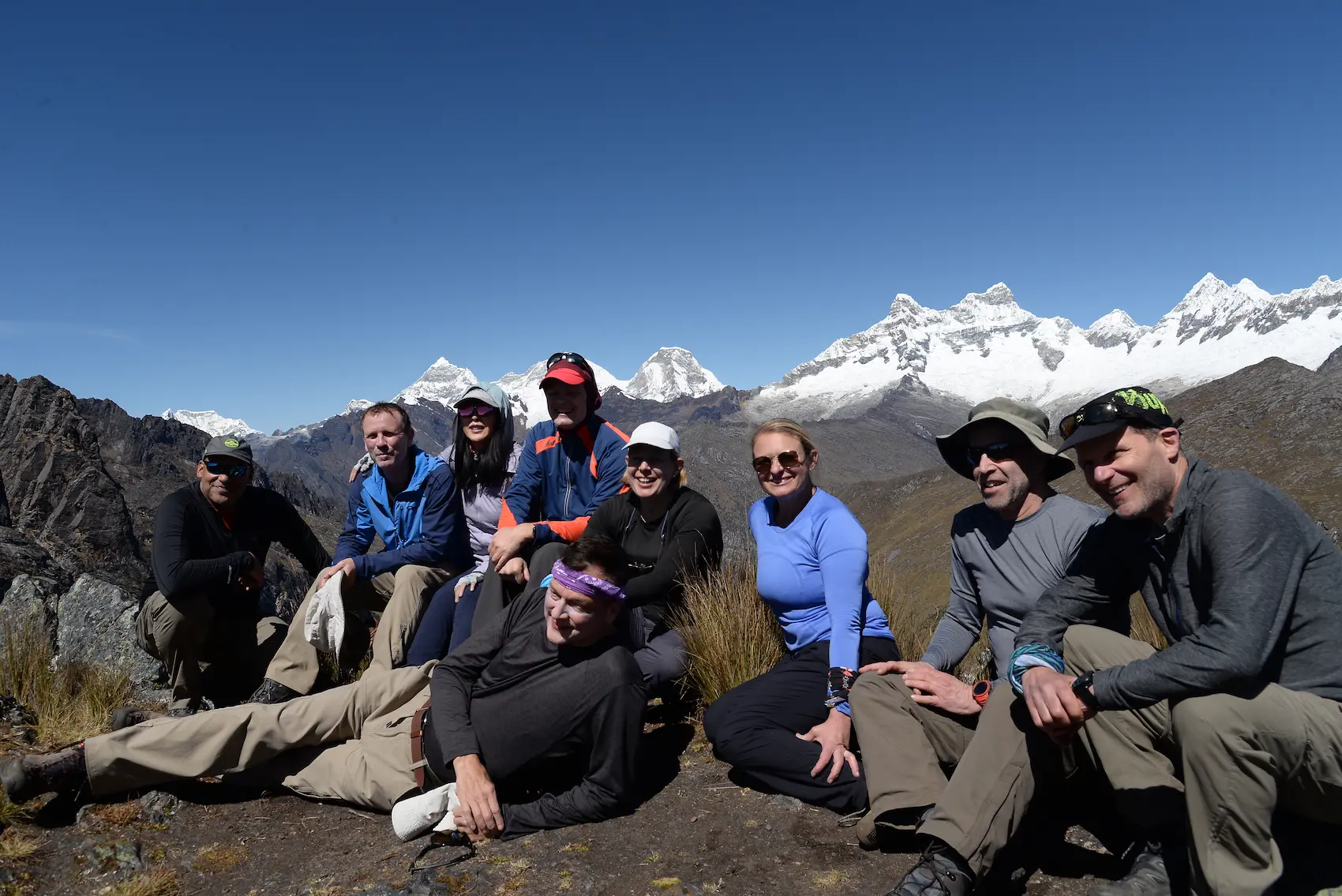
Today, an even steeper challenge awaits as we ascend to the Alto de Pucaraju Pass (4,650m./15,255ft.). In clear weather, we are rewarded with sweeping views—westward across the familiar, gleaming peaks of the Cordillera Blanca, and eastward down toward the distant lowlands. We are treated to breathtaking panoramic views of some of the most iconic peaks in the Cordillera Blanca, including Pirámide de Garcilazo (5,585m./18,323ft.), Paria (5,510m./18,077ft.), Chacraraju (6,112m./20,052ft.), Quitaraju (6,036m./19,803ft.), Artesonraju (6,025m./19,767ft.) this striking, perfectly sculpted peak is widely believed to have inspired the iconic Paramount Pictures logo, its symmetrical silhouette rising like a natural masterpiece above the Andean skyline— and the majestic Huascaran (6,768m. 22,204ft.), the fourth highest mountain in the Western Hemisphere, first climbed in 1932 by a German-Austrian expedition.
We then continue our trek descending to Laguna Huecrococha (3,837m./12,588ft.), where we camp nearby and enjoy the serenity of one of South America’s most stunning national parks.
Day 05: Trek up through Tupa Tupa pass and descend to Jancapampa village.
This day, our trail ascends through lush Quenual forests and other native shrubs, leading us to a grassy mountain pass where we hope to see flocks of sheep grazing peacefully along the slopes. Crossing the Tupa Tupa Pass at 4,383m. / 14,379ft., we descend to the small settlement of Pingospampa, where locals make their living through livestock and agriculture, cultivating lupines, sweet potatoes, wheat, and other crops. The flowering of these fields creates a spectacular contrast against the mountainous landscape, offering especially striking scenes for photographers.
We then continue down across a wide grassy slope and then through a small valley down to Jancapampa 3,535m./ 11,597ft. Thanks to the higher rainfall on the eastern side of the range, agriculture thrives here even at high altitude. Local farmers still cultivate their fields using traditional methods, working by hand with the help of donkeys.
At this campsite, villagers offer handmade items such as hats, gloves, and socks made from sheep’s wool, as well as beverages like Coca-Cola and beer, providing a memorable and authentic cultural experience.
Day 06: Trek over the Yanajanca Pass to the small settlement at Huillca.
After enjoying a touch of greenery, we are well prepared for our long ascent to the Yanajanca Pass (4,616m./ 15144ft.), where we may encounter herds of horses and cattle along the way. Gradually, we leave behind the fertile fields and clear lakes of the valley.
After approximately six hours of trekking and a final steep climb, we reach the pass, rewarded with views of the Pucajirca peaks behind us and the Huillca Valley stretching out ahead. This pass marks the watershed divide, where we leave the Amazon basin and return to the Pacific side.
The descent leads us into the valley and down to a wide alpine meadow, where we set up camp at around 4,000m./13,123ft. The Huillca area is home to Andean foxes, as well as sheep and alpacas, and with a bit of luck, we may also encounter local shepherds along the way.
Day 07: Scenic Trek to Moyobamba Camp, close to Alpamayo Mountain.
We break camp and set off from Tayapampa valley, enjoying magnificent views of the northeast face of Mt. Alpamayo north east face, Pucajirca Central, and Pucajirca Oeste. Never failing to impress with its panorama of glistening peaks, the Cordillera Blanca truly is a mountaineer’s paradise. As we draw closer to the striking beauty of Alpamayo, we cross the Mesapata Pass (4,436m. / 14,553ft.) and we walk to Moyobamba (4,506m. / 14,783ft.), with the view of tomorrow’s pass in sight.
Day 08: Crossing Carcara Pass and Camp in the Jancarurish Valley
We begin the day at a relaxed pace, passing grazing cows and horses as we hike through the green puna landscape toward the Cara Cara Pass 4836m./15,866ft. The final stretch climbs through a rocky scree slope, and soon we reach a viewpoint just below the pass. From here, in clear weather, we are rewarded with breathtaking views of the iconic pyramid of Alpamayo, as well as the massif of Santa Cruz with its four peaks.
The descent is steep and demanding, with faint trails and loose terrain requiring careful footing. As we continue downward through tall grass, we eventually reach the Cruze Alpamayo junction, where we have lunch.
After lunch, we trek to the moraine of Laguna Jancarurish, situated at the base of the snow-capped Alpamayo, offering spectacular opportunities for photography. We then retrace the same trail, returning to our campsite in the Jancarurish Valley at 4,206m./13,799ft., with plenty of time to enjoy one of the most breathtaking mountain sunsets in the mountains.
Day 09: Trek over the Jatun Viento Pass, westwards to Osoruri Camp.
We continue trekking down the Alpamayo Valley to a remarkable site called Ruinapampa, where we encounter the remains of an Inca settlement, including numerous agricultural terraces, a testament to the valley’s past abundance of tuber crops. After a junction, the trail winds upward in a series of switchbacks to the windy Jatun Vientunan Pass (4,762m./15,623ft.), From the top, we enjoy sweeping views of the northern reaches of the Black Mountain Range, the Huaylas Province, and Milluacocha Mountain.
We then descend westward and set up camp on an alpine meadow at approximately 4,556m./14,947ft., surrounded by expansive mountain scenery. This afternoon, we will have the chance to enjoy a stunning sunset over the peaks of the Black Mountain Range.
Day 10: Trek to the Highpoint at Toro Pishtanan and Descent to Huishcash Camp
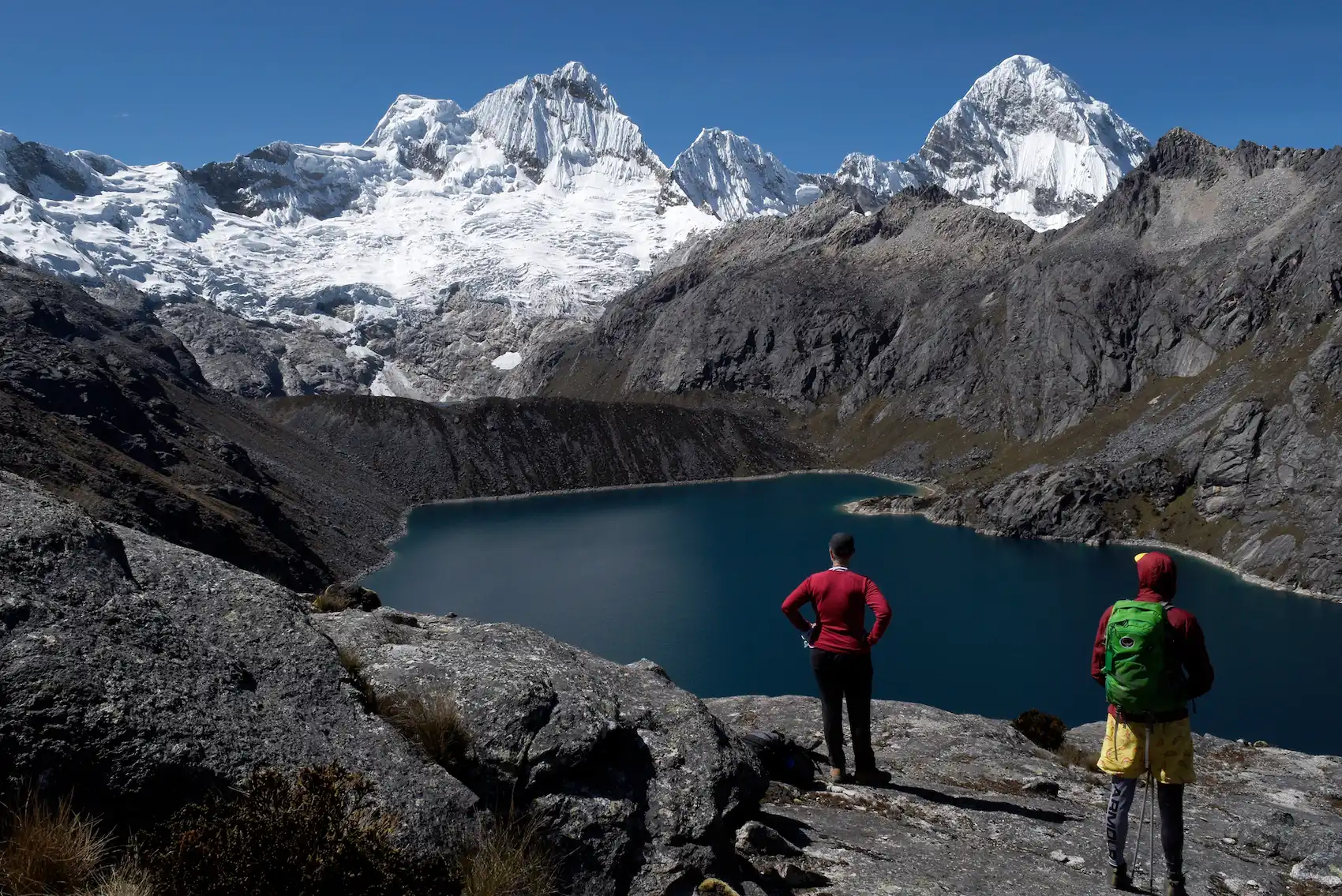
Just a final gentle climb separates us from the highest point of our trek, the Toro Pishtanan Pass at 4870m. 15,977ft. Directly below, several deep-blue lagoons lie stacked like terraces, while across the valley, the majestic trio of Nevado Santa Cruz rises dramatically.
We pass Laguna Cullicocha (4,648m./ 15,249ft.), azure-blue and framed by the three peaks of Santa Cruz, Cullicocha Lake is more than just a picture postcard view! A pre-Incan aqueduct provides valuable water for the valley farms below to this day and every year Andean farmers make their way into the mountains for an annual ‘aqueduct repair’ festival. We set up our final campsite near Huishcash at around 399m./13113ft. From here, we enjoy stunning views over the Santa Valley and the Cordillera Negra, with the town of Huaylas in the distance.
Day 11: Descend through the Huaylas Valley. Transfer back to Huaraz.
Leaving camp this morning, we enjoy a downhill walk to the pre-Incan ruins of Hualcayan (3,134m./ 10,282ft.), descending through farmland and village life of the Huaylas Valley. Upon reaching the edge of the national park, we will have a chance to sit and absorb the splendor and challenge of our trek before meeting our private vehicles. Taking a scenic drive back to Huaraz, we return to the group hotel for a well-earned shower and in time for celebrations.
INCLUDED
- Transportation
- Professional bilingual guide
- Double occupancy tents with Thermarest sleeping pads
- All meals during trek
- Non-alcoholic drinks
- Kitchen and dining tents
- Cook and field staff
- Horses and drivers
- Entrance tickets
- Solar energy lamps
- Eco toilets
- Adequate garbage disposal
- First aid kit and oxygen tank
Not included
- Personal travel insurance
- Laundry service
- Airline tickets
- Sleeping bags (rent available)
- Personal gear
- Alcoholic beverages
- Additional services
- Tips
- Extras
What to take
- Regular and long wicking first layer for cold weather, like polyester, nylon, or merino wool
- Short-sleeved shirts or t-shirts, breathable fabrics, like nylon and polyester
- Light-colored long-sleeved shirts or t-shirts
- QuickDry Pants, trekking pants, and shorts
- Insulated long-sleeve jacket (fleece, synthetic, down, merino wool)
- Liner gloves
- Light cap and beany
- Rain jacket (in the rainy season, bring rain pants)
- Breathable sports socks or hiking socks
- Warm socks for nights
- Multifunctional headwear (e.g. Buff)
- Waterproof and breathable hiking boots
- Comfortable and lightweight shoes for campsite
- Sleeping Bag (0°/32° to -15°/ 5°) (rent available)
- Day Pack (preferably with rain cover)
- Trekking Poles (available to rent)
- Waterproof duffle bag
- Sunglasses
- Headlamp
- Microfiber towel
- Sunblock, lip balm, and insect repellent
- Reusable water bottle or vacuum bottle
- Portable Power Bank (to charge lamps, etc.)
- Personal First Aid Kit (recommended)
On each trip we carry a medical kit, but we suggest you bring a small personal First-Aid Kit for bruises and blisters. Knee and ankle braces are sometimes useful especially if you suffer from weak knees or ankles. Include any special medication your doctor might suggest for you.